What does daily life actually feel like when you live high above the South Loop? If you are considering a condo here, you are probably weighing more than square footage or views. You want to know how the neighborhood works on a real Tuesday morning, a busy workday, or a quiet Sunday afternoon. This guide walks you through the rhythm of everyday life in a South Loop high-rise, from transit and errands to lakefront routines and weekend plans. Let’s dive in.
South Loop lifestyle at a glance
Living in a South Loop high-rise means you are in a part of Chicago that blends downtown convenience with strong neighborhood identity. The area includes Museum Campus, Motor Row, the Prairie Avenue District, public art, and a mix of historic buildings and newer residential towers.
That mix matters because the South Loop does not feel one-note. From the street, you get architecture, murals, restaurants, and civic landmarks. From above, many residents enjoy skyline, river, or lake-oriented views that make home feel connected to the city in a very visual way.
What mornings can look like
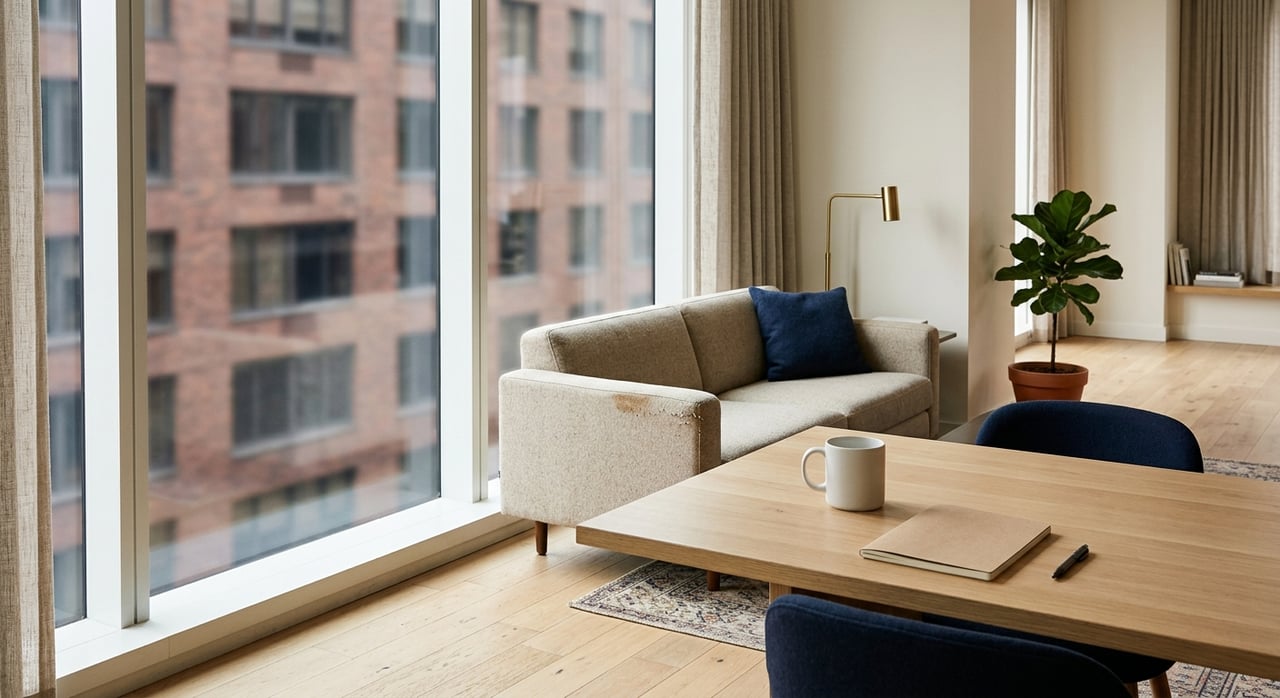
In a newer South Loop tower, the building itself often shapes your routine. A useful example is The Reed at Southbank, a 41-story residential tower along the Chicago River with features such as floor-to-ceiling windows, fitness spaces, study rooms for work from home, lounge areas, package handling, bike storage, EV charging, and 24-hour concierge service.
That kind of setup can make mornings feel streamlined. Instead of planning your day around a long commute, you may be starting with natural light, coffee at home, a workout downstairs, or a few quiet hours in a dedicated work-friendly space before heading out.
For buyers who value design and convenience, that is part of the appeal. In the South Loop, high-rise living often means your home supports both function and atmosphere, not just location.
South Loop transit is a real advantage
One of the strongest arguments for South Loop living is how easy it can be to get around. The Roosevelt CTA station serves the Red, Orange, and Green lines and connects to several bus routes. It is also accessible and includes indoor bike parking.
You also have the Museum Campus/11th Street Metra station nearby, which serves both Metra Electric and South Shore. That gives residents another practical option for commuting or reaching other parts of the region.
For many households, this makes car-light living realistic. You may still want a car for some cross-town or suburban trips, but the day-to-day basics of getting to work, meeting friends, or heading to the lakefront are often manageable without one.
Running errands is refreshingly simple
Daily convenience is a major part of high-rise life, and the South Loop delivers on that front. Grocery anchors in or near the neighborhood include Whole Foods South Loop, Trader Joe’s South Loop, Mariano’s South Loop, and Target Chicago South Loop.
That mix supports different routines. You can cover a full weekly grocery run, pick up prepared foods, use pharmacy services, or lean on pickup and delivery when your schedule gets tight.
For many buyers, this is what makes a high-rise feel livable rather than just impressive. It is not only about amenities upstairs. It is also about how quickly you can handle real life once you step outside.
The neighborhood has more character than people expect
Some buyers picture the South Loop as only a cluster of towers, but the area is much more layered than that. Choose Chicago describes a neighborhood that ranges from historic homes to major landmarks, with the Wabash Arts Corridor adding about 20 large-scale murals across a seven-block stretch.
You also have the Prairie Avenue historic district, Motor Row, and major destinations like Soldier Field and Museum Campus. That creates a setting where sleek residential buildings sit alongside older Chicago architecture, public art, and established cultural spaces.
If you want a home that feels modern but still tied to the city’s history and texture, this part of Chicago offers that balance. It feels active and urban, but it also carries visual depth.
Lakefront access changes your routine
One of the best parts of living in the South Loop is how close you are to Burnham Park and the lakefront. Burnham Park spans 653.63 acres just south of Grant Park and includes beaches, 31st Street Harbor, the Burnham Wildlife Corridor, and the 31st Street skate park.
For everyday life, that means the outdoors are not an occasional bonus. They are part of the neighborhood’s layout. An evening walk, a morning run, or a weekend bike ride can become part of your normal routine.
The lakefront trail system adds even more flexibility. The bike trail runs 18 miles, and the pedestrian trail runs 18.5 miles, with the Burnham Park section extending from Roosevelt to 31st Street. For residents who want movement, fresh air, and water views close to home, that is a major lifestyle advantage.
Weekends revolve around Chicago icons
Museum Campus is a big part of the South Loop experience. The Field Museum, Shedd Aquarium, and Adler Planetarium are all right on the lakefront, giving the neighborhood a built-in cultural rhythm that many areas simply do not have.
This can shape weekends in a very natural way. You might start with a walk near the water, meet friends for brunch, and then spend part of the afternoon exploring one of the museums or simply enjoying the energy around the campus.
The South Loop also has a stronger event pulse than many downtown-adjacent neighborhoods. Soldier Field and Huntington Bank Pavilion at Northerly Island regularly bring concerts and sports-related crowds, which adds excitement and activity to the area.
Riverfront high-rise living adds another layer
Newer projects have expanded what South Loop living can look like. At Southbank, The Reed adds a 41-story residential presence along the Chicago River, and the broader plan includes Southbank Park, a 2-acre green space with a riverwalk, central lawn, seating, naturalized design elements, and a planned water taxi stop.
This matters because it gives high-rise living another dimension beyond the lakefront. You are not only near major parks and museums. You may also have access to a more intimate riverfront setting that works well for a casual walk, a quick outdoor break, or meeting friends nearby.
The retail base in that development already includes concepts such as Hops & Scotch and Bubble & Brew. That kind of ground-level activity can make a newer tower feel more connected to the neighborhood rather than separate from it.
Is a South Loop high-rise right for you?
A South Loop high-rise can be a strong fit if you want a home that supports convenience, design, and access to the city’s major amenities. The neighborhood stands out for transit, grocery options, lakefront access, cultural institutions, and a mix of old and new architecture.
It may be especially appealing if you value a home base that works for both busy weekdays and active weekends. You can move between work, errands, dining, public spaces, and events without having to plan your life around distance.
From a real estate perspective, lifestyle fit matters just as much as finishes or floor plans. If you are exploring South Loop condos, it helps to look beyond the unit itself and think about how the building and neighborhood will support your daily routine.
If you want help narrowing down which South Loop buildings best match your lifestyle, design preferences, and day-to-day priorities, Lucyna Wrucha-Jenk can help you explore the right fit with a thoughtful, boutique approach.
FAQs
What is everyday life like in a South Loop high-rise?
- Everyday life in a South Loop high-rise often blends convenient transit, easy errands, building amenities, lakefront access, and proximity to museums, restaurants, and event venues.
Can you live without a car in the South Loop?
- Many residents can live car-light because the Roosevelt CTA station serves the Red, Orange, and Green lines, the Museum Campus/11th Street station adds Metra access, and several major grocery stores are close by.
What makes the South Loop feel different from other downtown neighborhoods?
- The South Loop combines newer high-rises with historic districts, murals, museums, riverfront development, and direct access to Burnham Park and the lakefront trail system.
What are some popular things to do near South Loop condos?
- Popular activities include walking or biking along the lakefront, visiting Museum Campus, dining out, and attending concerts or sports-related events near Soldier Field and Northerly Island.
What amenities can newer South Loop high-rises include?
- In newer towers, amenities may include fitness spaces, outdoor decks, pools, concierge service, package handling, bike storage, EV charging, lounge areas, and work-from-home friendly spaces.