Imagine starting your day with a quick jog along the Lakefront Trail, grabbing a coffee on Oak Street, then heading home to a doorman welcoming you and a package waiting with the concierge. That is everyday luxury in Chicago’s Gold Coast. If you want a refined city lifestyle with history, lake access, and full-service buildings, this neighborhood delivers. In this guide, you’ll learn how Gold Coast condo and co-op living works, what amenities you can expect, and smart tips to help you choose the right building for your needs. Let’s dive in.
What makes the Gold Coast special
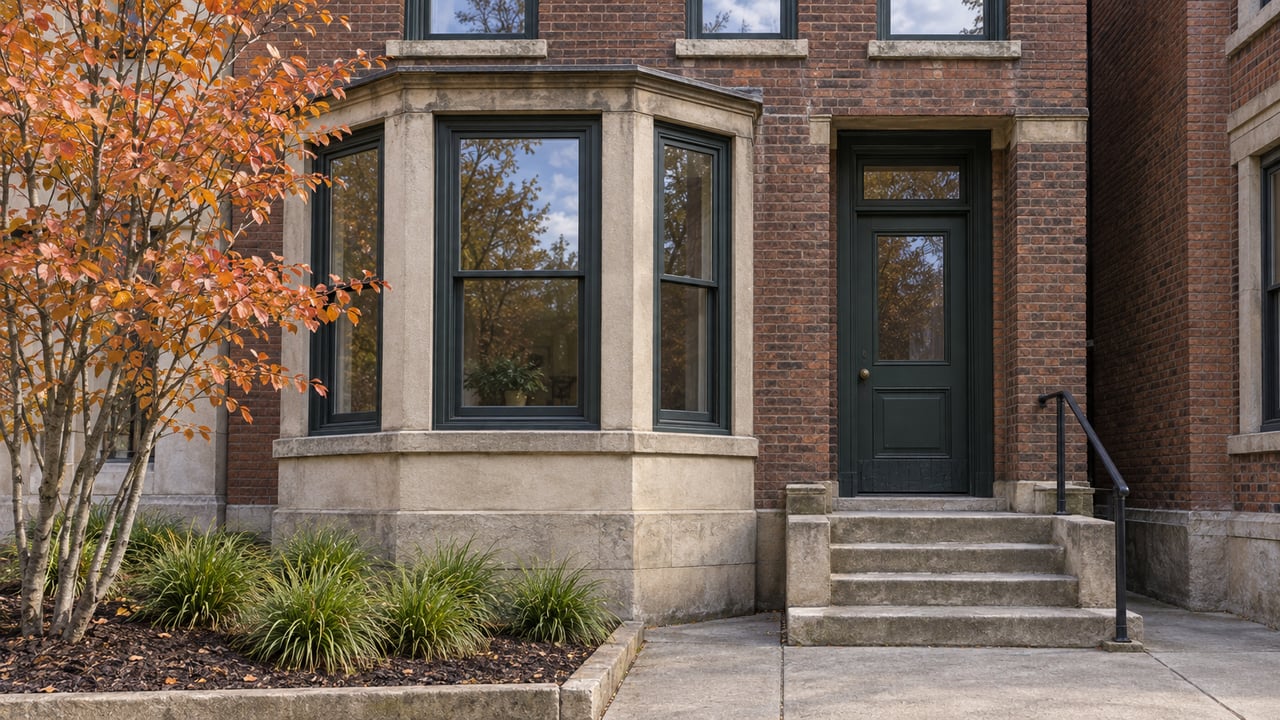
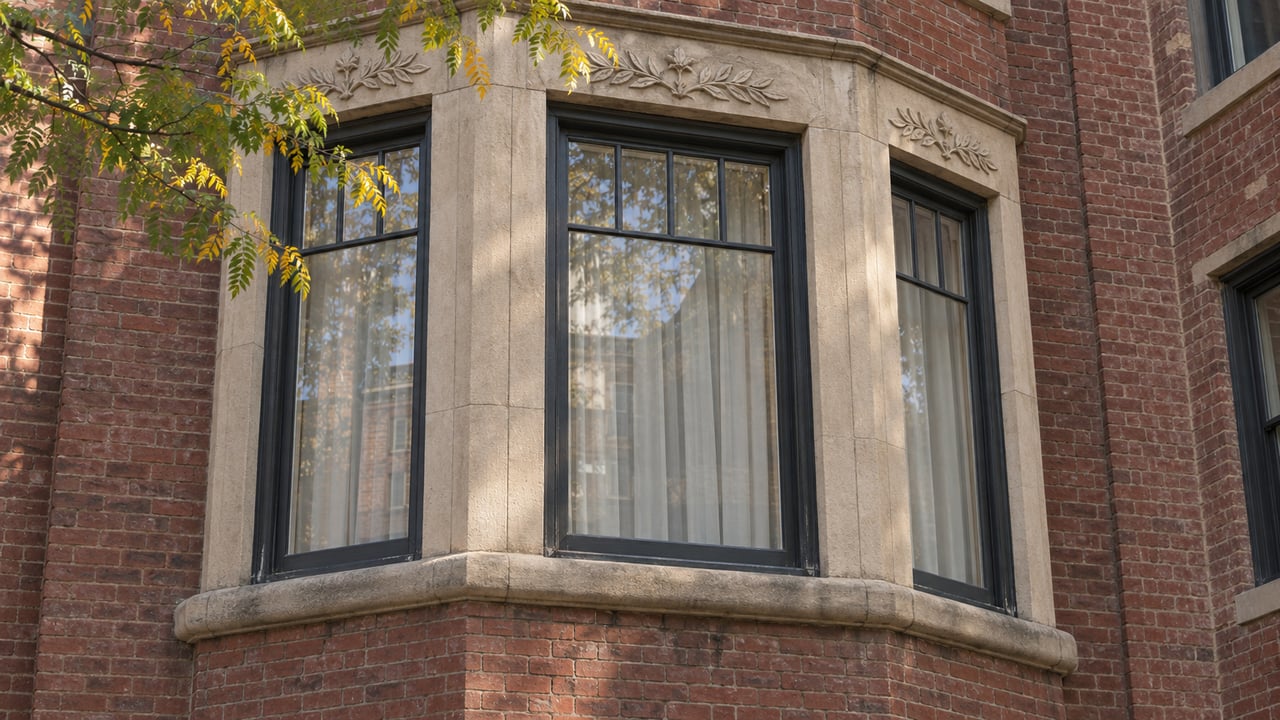
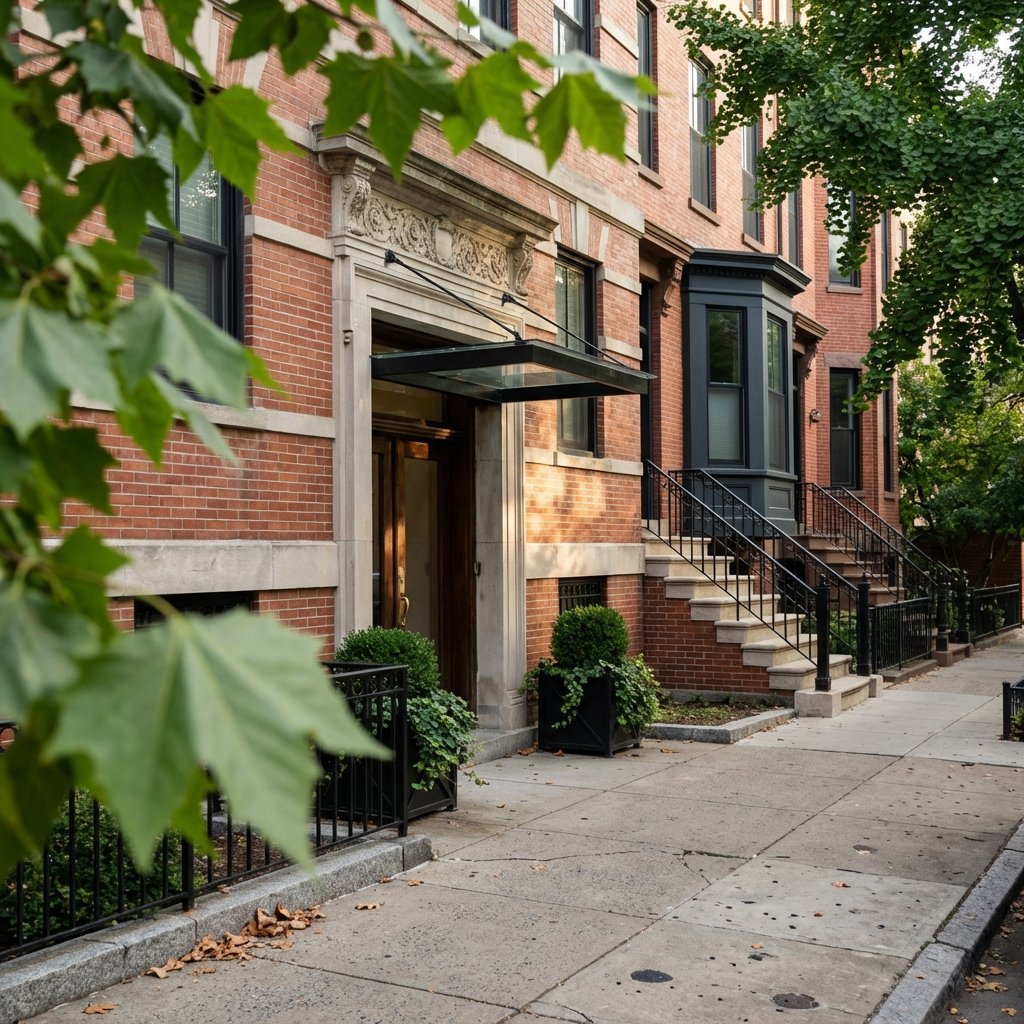
The Gold Coast sits on Chicago’s Near North Side along the lake, recognized for Gilded Age mansions, landmark rowhouses, and a skyline of classic and modern residential towers. The formally designated Gold Coast Historic District is documented on the National Register and is commonly described as bounded by North Avenue, Lake Shore Drive, Oak Street, and Clark. You feel that mix of history and vertical living at every turn. If you love heritage architecture paired with modern convenience, this is your place. The Gold Coast Historic District overview provides helpful context.
Beyond the architecture, the location shines. You are steps from Oak Street Beach and the Lakefront Trail, close to luxury retail on the Magnificent Mile and Oak Street, and within reach of dining on Rush Street. That rare combination of quiet, tree-lined residential blocks and world-class amenities nearby defines the Gold Coast’s daily rhythm.
Condo vs. co-op: what to know
In the Gold Coast, you’ll find both condominiums and cooperatives. Understanding the difference helps you match the property type to your lifestyle and financing plan.
- Condominiums: You own your individual unit and share common elements through the homeowners association. In Illinois, condos are governed by the state’s Condominium Property Act, which outlines association responsibilities, disclosures, and governance. If you prefer a structure that trades more like conventional real estate and often has simpler resale, a condo may fit well. Review the Illinois Condominium Property Act as a starting point.
- Cooperatives: You purchase shares in a corporation that owns the building and receive a proprietary lease to occupy a specific residence. Co-ops often require board application packages and interviews, may limit financing percentages, and can set sublet rules. Monthly maintenance in co-ops sometimes includes building-level costs such as property taxes. For an overview of the proprietary lease concept, see this co-op proprietary lease explainer. As a real-world example, select Gold Coast co-ops at 1500 N Lake Shore Drive illustrate how monthly maintenance can differ from condos, with some line items bundled together. Review a representative building page for context on fees and inclusions at 1500 N Lake Shore Drive.
Bottom line: Condos and co-ops both deliver luxury, but the experience and rules are different. Always confirm ownership type, financing guidelines, and any sublet or resale policies early in your search.
Amenities that feel like everyday luxury
Gold Coast buildings are known for full-service living. The amenities create a seamless daily experience so you can focus on work, wellness, and time with friends.
- Staffing and service: Doorman and concierge services, secure package rooms, on-site management, and in many cases a live-in engineer.
- Wellness and recreation: Fitness centers, yoga and spin studios, pools, and spa or sauna rooms. Many buildings aim for a hotel-inspired wellness suite. Explore the range of amenities highlighted in this Gold Coast luxury condo overview.
- Entertaining spaces: Residents’ lounges, private dining rooms, club rooms, wine storage, rooftop decks, and guest suites make it easy to host without leaving home.
- Everyday conveniences: Deeded or leased garage parking, valet options, bike storage, pet-care spaces like dog runs or grooming rooms, and personal storage lockers.
For a best-in-class modern example, newer towers such as No. 9 Walton were built with high-touch amenity packages and an intimate, boutique feel. Browse the official No. 9 Walton building page for representative features.
Homes and layouts you’ll find
The Gold Coast offers a wide spectrum of residences, from vintage to contemporary.
- Pre-war co-ops and vintage condos: Formal layouts, higher ceilings, classic detailing, and in some cases full- or half-floor residences along Lake Shore Drive. Expect gracious living rooms, defined dining rooms, and built-ins.
- Contemporary towers and boutique buildings: Open-plan kitchens, floor-to-ceiling glass, private terraces, and efficient, modern footprints. Newer homes often feature integrated appliances and carefully designed storage.
- Unit types: Studios and one-bedrooms tend to be open-plan; two-bedrooms often use a split layout for privacy; larger residences may offer multiple ensuites, family rooms, libraries, or full-floor footprints. In newer towers, look for open kitchens with integrated luxury brands and, where available, covered outdoor loggias.
Tip: Match layout to lifestyle. If you entertain often, a separate dining room or large kitchen island can be a must-have. If you work from home, prioritize a flexible den or enclosed office.
Lakefront, parks, and getting around
The Gold Coast is defined by its lakefront access. Oak Street Beach sits right at the neighborhood’s edge, and the multi-use Lakefront Trail connects you north to south along the water. The Chicago Park District maintains these spaces, making them a daily wellness asset for runners, cyclists, and beachgoers. Learn more about the trail on the Chicago Park District’s Lakefront Trail page.
You can live car-optional here. Many addresses in the Near North Side score very high for walkability, and public transit options are nearby with CTA buses and Red Line connections at the neighborhood edges. For a snapshot of area walkability, explore Gold Coast walk scores.
Shopping, dining, and culture
Luxury shopping lines the neighborhood’s eastern edge. You have world-class retail on the Magnificent Mile and designer boutiques on Oak Street, all within a short stroll from residential blocks. To browse district highlights, visit The Magnificent Mile Association.
Dining and nightlife cluster along Rush Street and surrounding corridors, offering everything from classic steakhouses to contemporary spots. For culture, you are close to major institutions including the Museum of Contemporary Art and notable house museums nearby, which makes for rich weekends without long commutes.
How the Gold Coast compares
If you are weighing the Gold Coast against other North Side neighborhoods, a few contrasts help clarify the fit.
- Gold Coast vs. Lincoln Park: The Gold Coast emphasizes lakefront proximity, historic architecture, and a greater density of full-service high-rises near luxury retail. Lincoln Park has larger green spaces and a broader mix of housing types, including more single-family options. For concise neighborhood context, see this Gold Coast neighborhood overview.
- Gold Coast vs. River North and Streeterville: River North is known for its gallery and restaurant scene, while Streeterville includes Navy Pier and newer lakefront towers. The Gold Coast tends to feel quieter at street level with tree-lined residential blocks, yet it keeps luxury shopping and the beach close by.
Practical tips before you buy
A little due diligence goes a long way in the Gold Coast. Use this checklist to focus your search.
- Confirm ownership type and rules: Verify whether a property is a condo or co-op. Ask about any board application packages, financing limits, and resale or sublet rules. For statutory context on Illinois condos, reference the Condominium Property Act.
- Understand monthly assessments: In luxury buildings, monthly assessments or co-op maintenance fund staffing, utilities in some older buildings, common-area insurance, reserves, and amenity upkeep. Some co-ops bundle property taxes into monthly maintenance. A representative example of co-op fee structures can be seen at 1500 N Lake Shore Drive. Always confirm inclusions with association documents.
- Clarify parking: Deeded spaces are limited in parts of the neighborhood. Many buildings offer leased or valet options. If you plan to live car-optional, check the distance to your most-used transit lines and daily stops.
- Review pet policies: Rules vary by building. If you have pets, confirm size limits and on-site amenities like dog runs or grooming rooms.
- Align amenities with lifestyle: If you value wellness, prioritize robust fitness and spa spaces. If you host often, look for guest suites, club rooms, and well-designed rooftop or terrace areas.
- Think long term: Amenities that support daily convenience and upkeep can boost enjoyment and potential resale appeal. Strong staffing, well-maintained common areas, and thoughtful building reserves are positive signs.
Your next step
Buying in the Gold Coast is about fit. You want the right building services, a layout that supports your day-to-day, and a location that keeps the lake, dining, and culture within easy reach. If you’re ready to explore curated on- and off-market options and want hands-on guidance with staging ideas, negotiations, and a premium closing experience, connect with Lucyna Wrucha-Jenk. You’ll get boutique, design-aware advisory backed by the global reach of Jameson Sotheby’s.
FAQs
What is the difference between a Gold Coast condo and a co-op?
- A condo gives you a deeded unit governed by the Illinois Condominium Property Act, while a co-op gives you shares and a proprietary lease with board approval and specific financing or sublet rules; confirm details for each building.
What do HOA or co-op fees usually cover in the Gold Coast?
- Fees commonly fund staffing, utilities in some older buildings, common-area insurance, reserves, and amenities; some co-ops bundle property taxes into maintenance, so review inclusions before you buy.
Do I need a car if I live in a Gold Coast condo?
- Many residents live car-optional thanks to walkable blocks, nearby CTA service, and the Lakefront Trail; if you need a car, ask about deeded, leased, or valet parking options.
How close is the Gold Coast to beaches and the Lakefront Trail?
- Oak Street Beach sits along the neighborhood’s eastern edge, and the Lakefront Trail runs the city’s shoreline, putting daily runs, rides, and lake time within easy reach.
Which amenities help resale value in the Gold Coast?
- Well-managed buildings with reliable staffing, fitness and wellness spaces, inviting roof or lounge areas, and practical conveniences like secure package rooms and parking often support long-term appeal.