If you light up at the sight of brick facades, carved stone details, and streets that feel thoughtfully layered over time, Old Town deserves your attention. This is one of those Chicago neighborhoods where design is not just a backdrop, but part of daily life. If you are trying to decide whether Old Town fits your style, this guide will walk you through its architecture, atmosphere, and lifestyle advantages so you can picture what living here really feels like. Let’s dive in.
Why Old Town Stands Out
Old Town sits on Chicago’s Near North Side, just north of the Loop and the Chicago River. Its historic identity is closely tied to the Old Town Triangle, the landmarked core that gives the neighborhood much of its visual character.
The area traces back to German immigrant settlement in the 1850s. After the Great Chicago Fire in 1871, much of the neighborhood was rebuilt in brick and stone, which still shapes the look and feel of many blocks today.
That sense of continuity did not happen by accident. City landmark records note that preservation efforts in the 1940s helped protect the neighborhood’s narrow, tree-lined streets and architectural character, and the district was officially designated a Chicago Landmark in 1977.
Old Town Architecture to Notice
For design lovers, Old Town is compelling because it does not feel visually flat. The neighborhood brings together historic frame homes, worker cottages, brick and stone houses, rowhouses, apartment buildings, and later townhomes in a way that feels layered and distinctly urban.
The Chicago Architecture Center points to an especially rich mix here, including Italianate, Romanesque, and Mid-century Modern influences. You can also find work associated with names like Adler and Sullivan, Harry Weese, Walter Netsch, and Edgar Miller, which adds depth for buyers who care about architecture with personality.
Historic Texture in the Triangle
The Old Town Triangle is where many people first fall for the neighborhood. Its narrower streets, mature trees, and preserved building rhythm create a setting that feels intimate and visually cohesive without feeling frozen in time.
St. Michael’s Church is one of the neighborhood’s most meaningful landmarks. It survived the 1871 fire and remains part of the story that connects Old Town’s past to its present streetscape.
Rowhouses, Courts, and Urban Detail
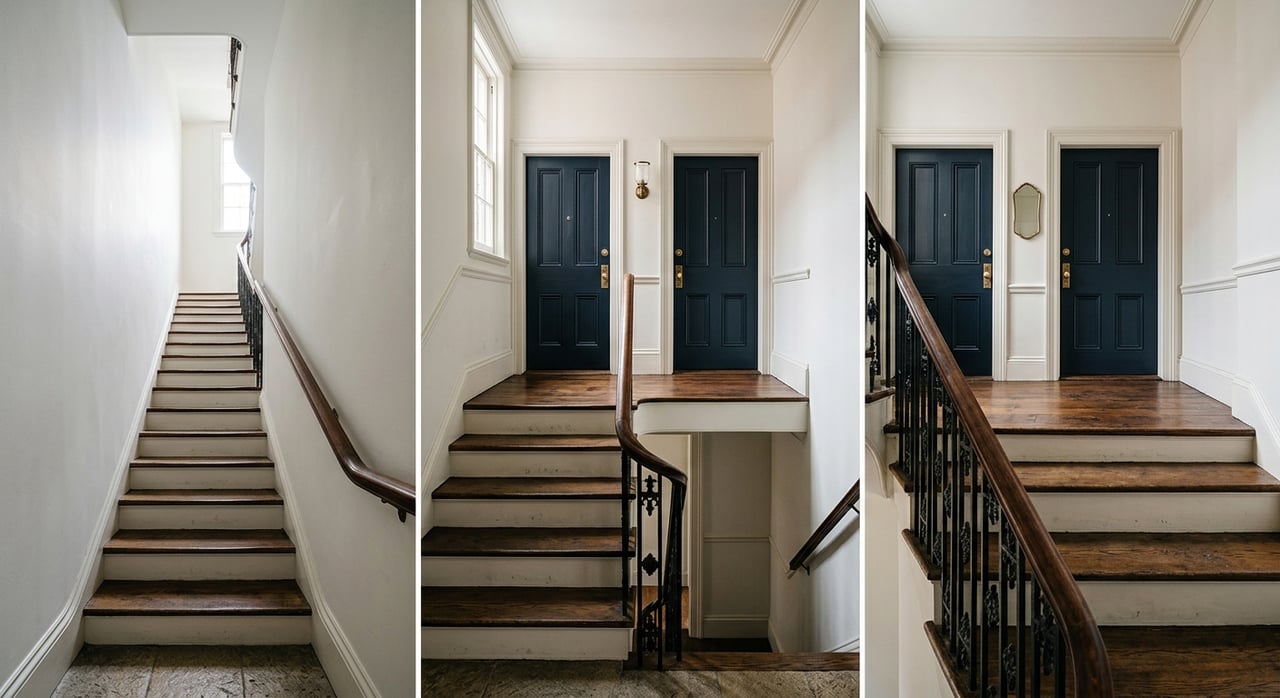
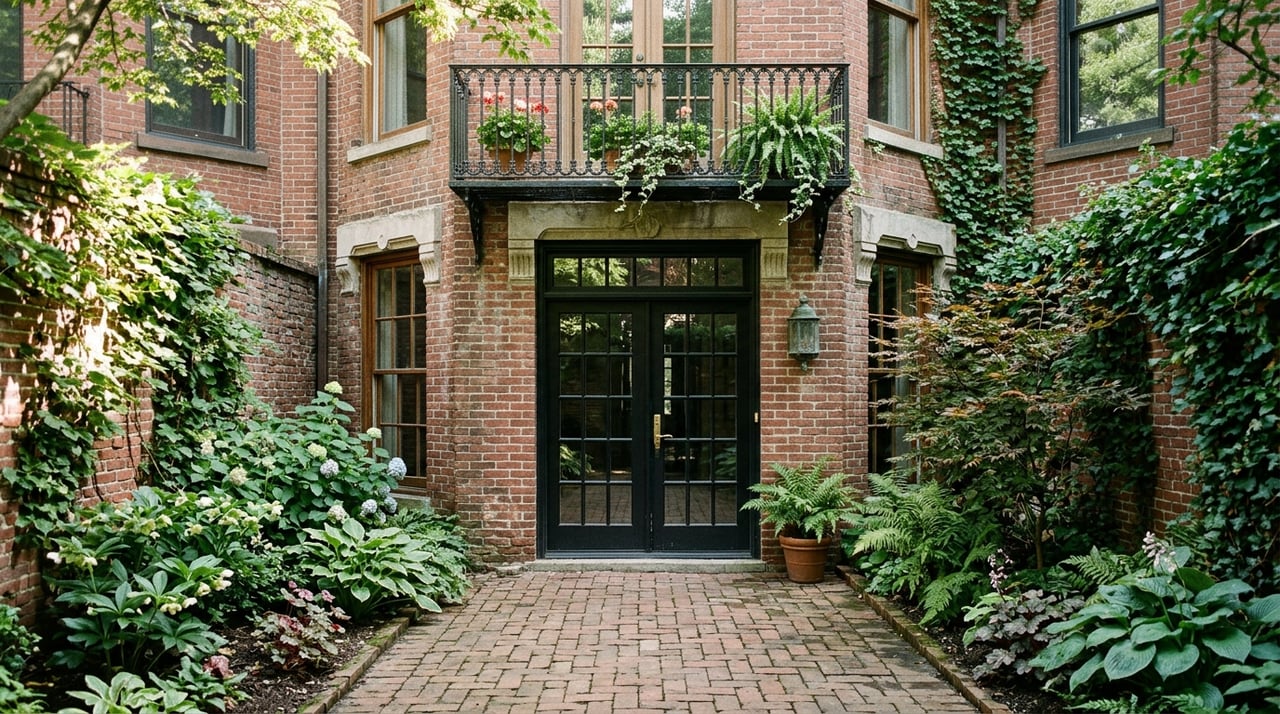
Old Town also rewards close looking. Crilly Court is a strong example of how the neighborhood uses density beautifully, with row houses and small apartment buildings arranged around a protected interior court.
Details like balconies, close-set facades, masonry textures, and compact urban spacing give parts of Old Town a sense of enclosure that many city buyers find appealing. If you love homes that feel connected to the street and to the block around them, this is part of Old Town’s appeal.
Newer Buildings Have a Place Too
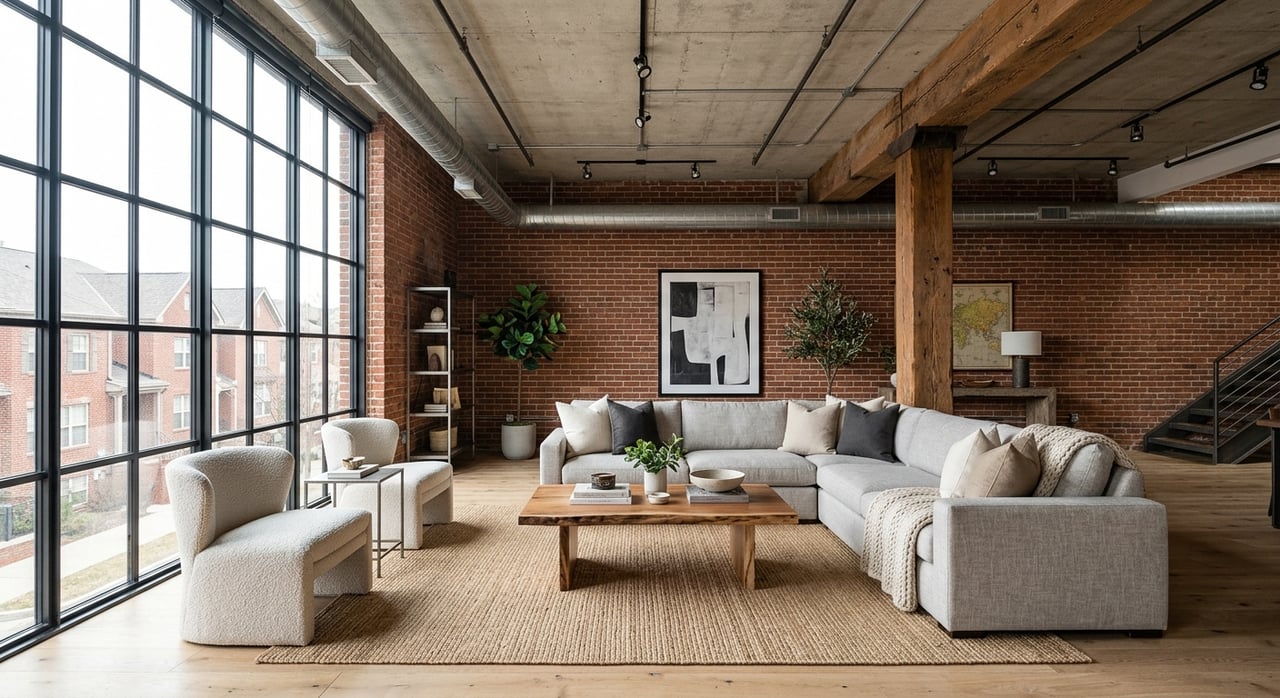
Old Town is not only about preserved historic homes. The neighborhood also includes newer multifamily development, especially along more active commercial edges.
That mix matters if you want contemporary amenities without giving up location. Newer buildings add another option for buyers and renters who want easier maintenance, elevator living, or more modern finishes while staying close to Old Town’s historic core.
What Daily Life Feels Like
Old Town blends visual charm with real everyday convenience. It is known for architecture, culture, art, theater, long-running businesses, unique shops, and a dining scene that keeps the neighborhood active well into the evening.
Wells Street is the main commercial spine and a major part of the neighborhood’s personality. It brings together restaurants, boutiques, and nightlife in a way that makes Old Town feel energetic, social, and very connected to the rest of the city.
The Second City is also one of Old Town’s best-known anchors. Its presence reinforces the neighborhood’s creative identity and helps explain why Old Town has long felt a little more artistic, performative, and culturally active than a typical residential area.
Old Town for Art and Design Lovers
If your home search is driven by aesthetics as much as square footage, Old Town offers a lot to work with. This is a neighborhood where you can appreciate a rowhouse facade on your walk to coffee, notice how a building meets the sidewalk, or enjoy the contrast between preserved brick architecture and cleaner-lined newer residences.
The neighborhood’s design culture also extends beyond the homes themselves. Annual events like the Old Town Art Fair and the Wells Street Art Festival reinforce the area’s long-standing connection to visual culture and creative life.
For someone who values surroundings, that matters. Old Town offers an environment where architecture, streetscape, and local culture often feel like part of the same experience.
Walkability and Getting Around
Old Town appeals to buyers who want a neighborhood that feels easy to navigate without relying on a car for every errand. Between Wells Street, nearby retail and dining, and access to green space, many daily routines can happen close to home.
The neighborhood is also close to Lincoln Park and the lakefront. Lincoln Park spans more than 1,188 acres along the lake and includes North Avenue Beach, while the broader lakefront trail system makes it easy to connect to other parts of the shoreline.
Transit is another practical plus. The Sedgwick station serves the Brown and Purple lines, and nearby corridor stops on the Red Line include North/Clybourn, Clark/Division, Chicago, and Grand. The Red Line also operates 24 hours between Howard and 95th/Dan Ryan, which adds flexibility for commuters and late-night city living.
What Buyers Should Keep in Mind
Old Town is especially attractive if you want walkability, historic texture, and strong access to dining, culture, and nightlife. It often fits style-conscious professionals and downsizers who want a neighborhood with visual character and urban convenience.
That said, Old Town comes with trade-offs that are worth understanding before you buy. The same preservation mindset that protects the neighborhood’s charm can also affect what changes are possible on certain properties.
Landmark Review Matters
Because parts of Old Town are landmarked, exterior alterations, demolition, and some new construction are subject to city review. In the Triangle, the Old Town Triangle Association’s Historic District Committee also reviews exterior changes and new construction.
For buyers, that means curb appeal and long-term character are often well protected. It also means you should expect more oversight if you are considering a property that may need exterior updates.
Energy Is Part of the Package
Old Town is lively, not sleepy. Wells Street activity, comedy crowds, and major festival weekends bring traffic and foot traffic that many residents see as part of the neighborhood’s character.
If you want a true city neighborhood with movement, culture, and a social pulse, that energy can be a real advantage. If you want a quieter feel, it helps to pay attention to the specific block, building orientation, and distance from the busiest corridors.
What Sellers Should Know
If you own a home in Old Town, presentation matters here in a very visible way. Buyers are often responding not just to floor plans and finishes, but to architectural context, facade character, and how a property fits into the block around it.
That is especially true in a neighborhood with this much design credibility. Thoughtful staging, careful photography, and a strong understanding of what makes a home feel architecturally authentic can help your property connect with the right buyer.
For sellers in landmarked or historic pockets, it also helps to understand how preservation affects buyer expectations. Many buyers come to Old Town specifically because they value character, continuity, and the feeling of a neighborhood that has been carefully maintained over time.
Is Old Town Right for You?
Old Town makes sense if you want a neighborhood that feels visually rich, highly walkable, and unmistakably urban. It offers a rare blend of historic architecture, creative energy, and modern-day convenience, all within easy reach of downtown, Lincoln Park, and the lakefront.
For design lovers, that combination is hard to fake. Old Town feels collected rather than manufactured, which is exactly why so many buyers continue to find it compelling.
If you are thinking about buying, selling, renting, or exploring private opportunities in Old Town, working with an advisor who understands both design and micro-location can make the process much more strategic. Lucyna Wrucha-Jenk brings a boutique, hands-on approach to Chicago real estate, with the neighborhood insight and presentation expertise to help you move with confidence.
FAQs
Is Old Town the same as Old Town Triangle?
- No. Old Town is the broader neighborhood, while Old Town Triangle is the landmarked historic core within it.
Does Old Town Chicago only have historic homes?
- No. Old Town includes historic cottages, rowhouses, apartment buildings, mid-century modern examples, and newer multifamily development in select areas.
How close is Old Town Chicago to downtown and the lake?
- Old Town is on the Near North Side just north of the Loop and the Chicago River, and it is close to Lincoln Park and the lakefront.
What makes Old Town Chicago appealing for design lovers?
- Old Town offers a layered mix of historic architecture, preserved streetscapes, urban details, and a strong local arts identity.
Are there special rules for homes in Old Town Chicago?
- In landmarked parts of Old Town, exterior changes, demolition, and some new construction may require city review, and properties in the Triangle may also face local historic review.
Is Old Town Chicago a quiet neighborhood?
- Old Town tends to be lively, especially near Wells Street and during major festival weekends, so the feel can vary by block and building location.