Wondering how to make a classic Roscoe Village bungalow feel brighter, more functional, and more current without stripping away what makes it special? You are not alone. In a neighborhood known for its established housing stock and strong sense of place, many buyers and owners want homes that support modern life while still respecting the architecture that gives Roscoe Village its charm. This guide walks you through what defines a Chicago bungalow, which updates tend to feel most natural here, and how to think about design, value, and permits before you make a move. Let’s dive in.
Why bungalows fit Roscoe Village
Roscoe Village is often described as a village within the city, with boundaries at Belmont Avenue, Addison Street, Ravenswood Avenue, and the Chicago River. The neighborhood’s zoning principles emphasize preserving its essential character, supporting responsible development, using quality materials and craftsmanship, maintaining pedestrian-oriented streets, and expanding green space.
That context matters when you look at bungalows. Roscoe Village’s documented development history includes major growth around 1920, which overlaps with the peak era of the Chicago bungalow from the 1910s through the mid-1930s. In other words, rethinking a bungalow for today is not a break from the neighborhood’s story. It is often part of it.
What makes a Chicago bungalow distinct
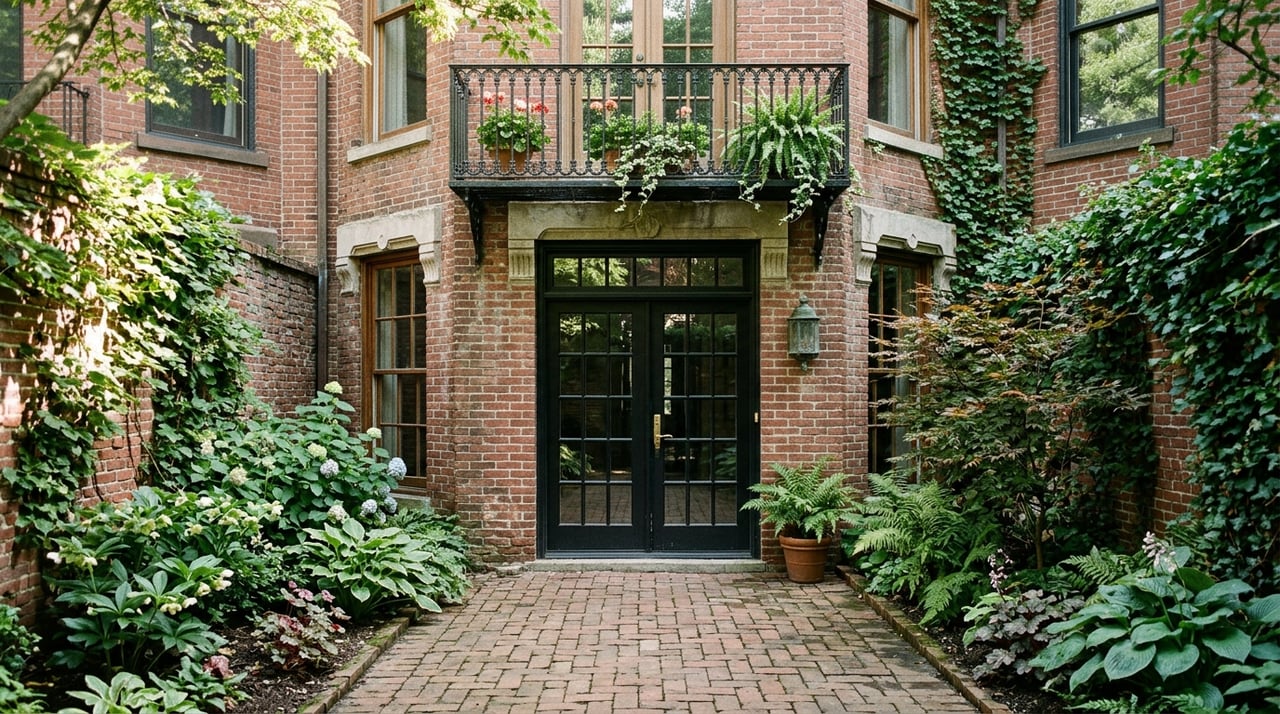
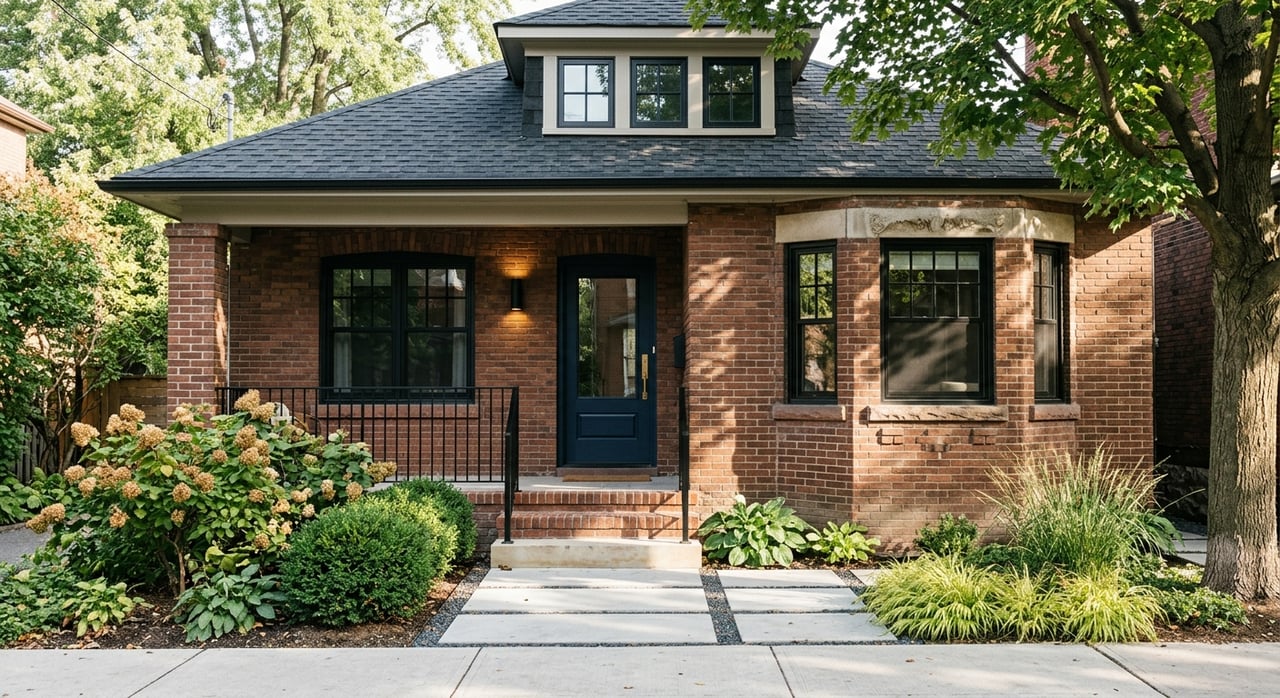
A classic Chicago bungalow usually offers a very recognizable form. These homes are typically 1.5 stories above a full basement, with brick construction, low-pitched hipped roofs, wide overhangs, porches, generous windows, and a narrow rectangular footprint.
They were built to work efficiently on Chicago lots that were often 25 to 30 feet wide and 125 feet long. Public rooms were generally placed on one side, private rooms on the other, and the attic was often left unfinished so it could become living space later.
That original flexibility is a big reason these homes still work so well today. You are often starting with a house that already has built-in expansion potential, even if the current layout feels dated.
How to modernize without losing character
The best bungalow renovations usually start with a simple question: how much can you improve the way the home lives before changing the overall form? That mindset tends to produce updates that feel more thoughtful and more in tune with Roscoe Village.
Guidance from the Chicago Bungalow Association suggests starting with the existing structure first. Before jumping to a major addition, it often makes sense to rework interior walls or expand into the attic or basement.
Start with the space you already have
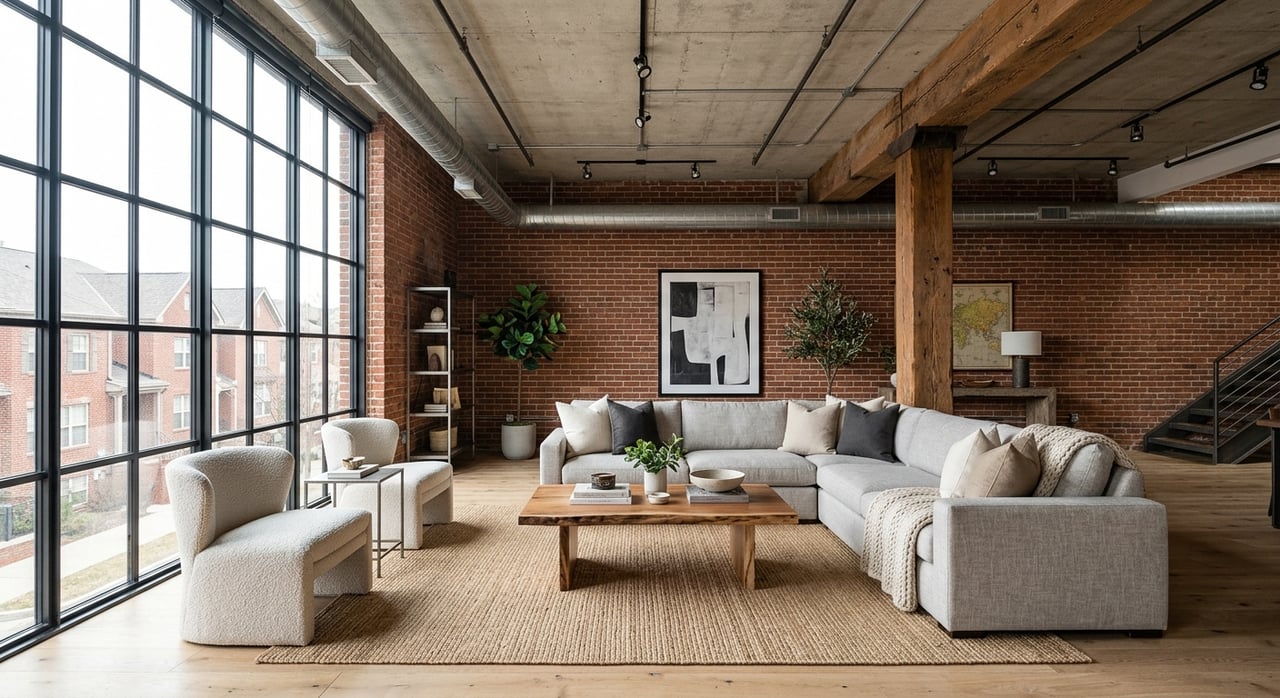
For many bungalows, the smartest first projects are inside the current envelope of the home. A finished basement can create room for a family area, guest space, storage, or another bathroom. An attic conversion can add bedrooms or flexible bonus space without changing the front-facing identity of the house as dramatically as a large addition might.
This approach can preserve more of the original bungalow form while giving you the everyday function you may be missing. It also tends to align well with a neighborhood that values preservation, renovation, and adaptive reuse.
Open the layout carefully
Many owners want a more open main level, especially between the kitchen, dining, and living areas. That can work well in a bungalow, but the goal should be better flow, not a complete erasure of the home’s structure.
Selective changes often feel more natural than gutting the entire first floor. When you keep some room definition, window rhythm, and original proportions in mind, the result usually feels more balanced and more connected to the home’s age and style.
Add square footage with restraint
If you do need more space, common paths include a rear addition, dormers, or a full second-floor addition. These can add bedrooms, bathrooms, a mudroom, family room, and stronger indoor-outdoor flow.
The key is compatibility. The Chicago Bungalow Association recommends matching materials, style, proportions, colors, trim, eaves, and window openings so the new work feels like a continuation of the home rather than a competing idea.
Avoid the top-heavy look
One of the biggest design risks with bungalow renovations is creating a house that feels visually overwhelmed by the addition. This is especially important in Roscoe Village, where the surrounding streetscape and existing building character help define the neighborhood experience.
A top-heavy addition can make the original house seem buried underneath the new construction. By contrast, a well-scaled addition respects the original massing and keeps the home grounded.
Exterior details that feel right
If you are updating the exterior, look for changes that support the bungalow rather than fight it. In Roscoe Village, that often means leaning into quality materials and brick- or stone-forward design choices, which align with the neighborhood’s stated preferences.
Exterior work tends to feel most natural when it echoes the original home’s details. Think matching trim proportions, consistent window openings, compatible rooflines, and materials that do not look noticeably out of place next to the original brick shell.
Outdoor living matters here
Outdoor space is part of the appeal of Roscoe Village. The neighborhood’s planning principles support maintaining and expanding open green space, and local community efforts include annual clean-up work, park improvements, and the Roscoe Village Neighbors Garden Walk.
That makes backyard design more than an afterthought. In a bungalow renovation, a rear addition that improves access to a deck, steps, and yard space can make daily life noticeably better.
Best outdoor upgrades for daily use
If you are planning a renovation, outdoor improvements that support livability often include:
- Easier access from the kitchen or family room to the yard
- A deck or patio for dining and entertaining
- Better transitions between interior and exterior space
- Thoughtful landscaping that preserves usable green area
- Storage and mudroom planning that supports outdoor use year-round
These features may not be the flashiest part of a project, but they can have an outsized impact on how the home feels day to day.
Renovation choices and market value
Roscoe Village remains a competitive market. Over the last three months, Redfin reports a median sale price of $670,000, up 5.8% year over year, with homes selling in about 36.5 days and averaging roughly 3% above list price.
That kind of market activity supports a more measured approach to bungalow updates. Instead of treating renovation like a quick cosmetic flip, it often makes more sense to think about long-term value, livability, and presentation.
Which updates tend to resonate
In a design-aware neighborhood, buyers often respond to renovations that feel cohesive. That usually means:
- Preserved architectural character
- Functional kitchens and baths
- Better natural light and circulation
- Finished lower or upper-level space
- Improved indoor-outdoor connection
- Materials and finishes that feel durable and consistent
For sellers, this is where strong presentation matters. A home that blends original character with thoughtful updates often tells a clearer story in photos, showings, and marketing.
Do not overlook permits
Before you move walls, finish an attic, or plan an addition, make sure you understand the City of Chicago permit process. The city states that renovation and alteration permits can require plans prepared by an architect or engineer, and its permit system tracks plan-based applications.
The city also states that owners are responsible for obtaining required permits and supporting documents. That means permit planning should be part of your renovation strategy from the start, not something you try to solve halfway through the job.
A smart pre-project checklist
Before starting a bungalow renovation, it helps to:
- Define what is not working in the current layout
- Decide whether attic or basement space can solve the problem first
- Evaluate whether an addition is truly necessary
- Create a design plan that respects the original house proportions
- Confirm permit requirements and documentation early
- Consider how the finished home will live, show, and age over time
What this means if you are buying or selling
If you are buying in Roscoe Village, a bungalow can offer more flexibility than it first appears. The right home may already have usable expansion options in the basement or attic, which can make it a strong fit for changing needs.
If you are selling, the details of your renovation matter. Buyers in this kind of market often notice when updates feel intentional, well-scaled, and true to the home. Good design is not just about style. It is about helping people picture a better everyday life in the space.
For both buyers and sellers, it helps to work with someone who understands how architecture, neighborhood context, and market positioning all connect. In Roscoe Village, that connection can shape everything from renovation priorities to pricing and presentation.
If you are considering buying, renovating, or selling a bungalow in Roscoe Village, Lucyna Wrucha-Jenk can help you evaluate what adds value, what preserves character, and how to position your home for today’s market.
FAQs
What defines a Chicago bungalow in Roscoe Village?
- A Chicago bungalow is typically a 1.5-story brick home with a full basement, low-pitched roof, wide overhangs, generous windows, and a layout designed for narrow city lots.
What is the best first renovation for a Roscoe Village bungalow?
- A finished basement or attic conversion is often a smart first step because it can add usable space while preserving the home’s original exterior form.
How do you modernize a bungalow without losing character?
- Focus on improving flow inside the existing structure first, then keep any addition compatible with the original materials, proportions, trim, eaves, and window patterns.
What exterior changes suit a Roscoe Village bungalow?
- Exterior updates usually feel most natural when they use quality materials and maintain a brick- or stone-forward look that fits the home’s original architecture and neighborhood context.
Do bungalow renovations in Chicago require permits?
- Yes, renovation or alteration work may require city permits, and some applications may need plans prepared by an architect or engineer. Owners are responsible for securing required permits and documents.
Why are bungalow updates important in the Roscoe Village market?
- In a competitive market with rising prices and strong buyer activity, thoughtful updates can improve livability, strengthen presentation, and support long-term value.