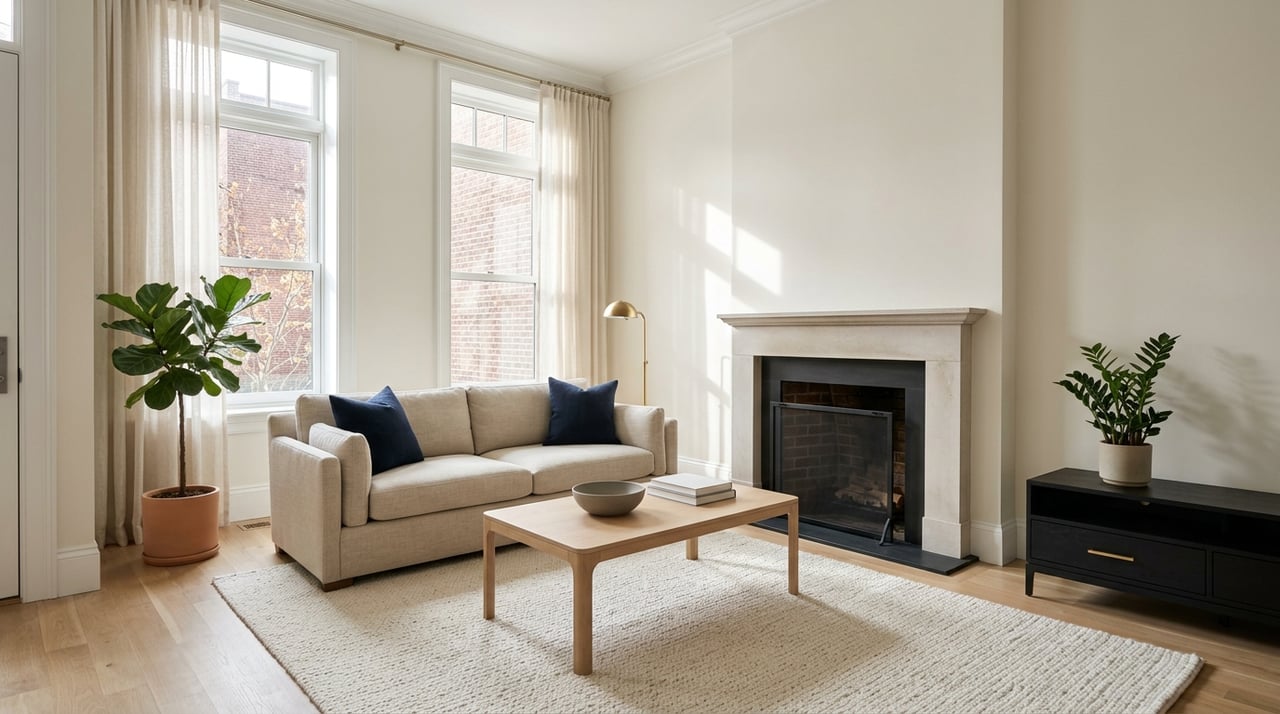
Selling in West Town is not just about putting a sign in the yard or uploading a few photos. In a neighborhood where many homes are condos, townhomes, and multi-unit properties, buyers often compare listings quickly and decide online which homes are worth seeing in person. If you want your sale to stand out, you need a strategy that combines thoughtful staging, polished visuals, and a smart launch. Let’s dive in.
Why presentation matters in West Town
West Town is a dense, design-aware housing market with a wide mix of housing types. According to the latest CMAP community snapshot for West Town, the area includes 42,249 occupied housing units, and much of the housing stock is made up of 2-unit, 3 to 4-unit, and 5 to 9-unit buildings.
That matters when you sell. In a market with many attached homes and compact layouts, buyers often focus on how well a space lives day to day. Clear room function, smart furniture placement, and a clean visual flow can help your home feel more useful and more memorable.
The current market also rewards homes that are ready to make a strong first impression. Redfin’s latest West Town market snapshot shows a median sale price of $699,000 in February 2026, up 9.6% year over year, with homes averaging 58 days on market. Even with solid demand, standout presentation still plays a key role in attracting attention and supporting pricing.
Start with the rooms buyers notice most
If you are deciding where to invest your time and budget, focus first on the spaces that shape buyer perception. The National Association of Realtors 2025 Profile of Home Staging found that buyers’ agents most often identified the living room, primary bedroom, and kitchen as the most important rooms to stage.
That guidance fits West Town especially well. Many local homes feature open living areas, efficient kitchens, and bedrooms that need to feel calm, bright, and functional. If your listing includes a dining area, that space also deserves attention, since seller agents frequently stage it as well.
A good rule is simple: stage the areas that show up first in photos, shape the home’s daily flow, and help buyers understand the layout immediately. You do not need to overdo every corner. You need the most visible rooms to feel polished, balanced, and easy to imagine living in.
Stage for West Town’s housing styles
Condos and attached homes
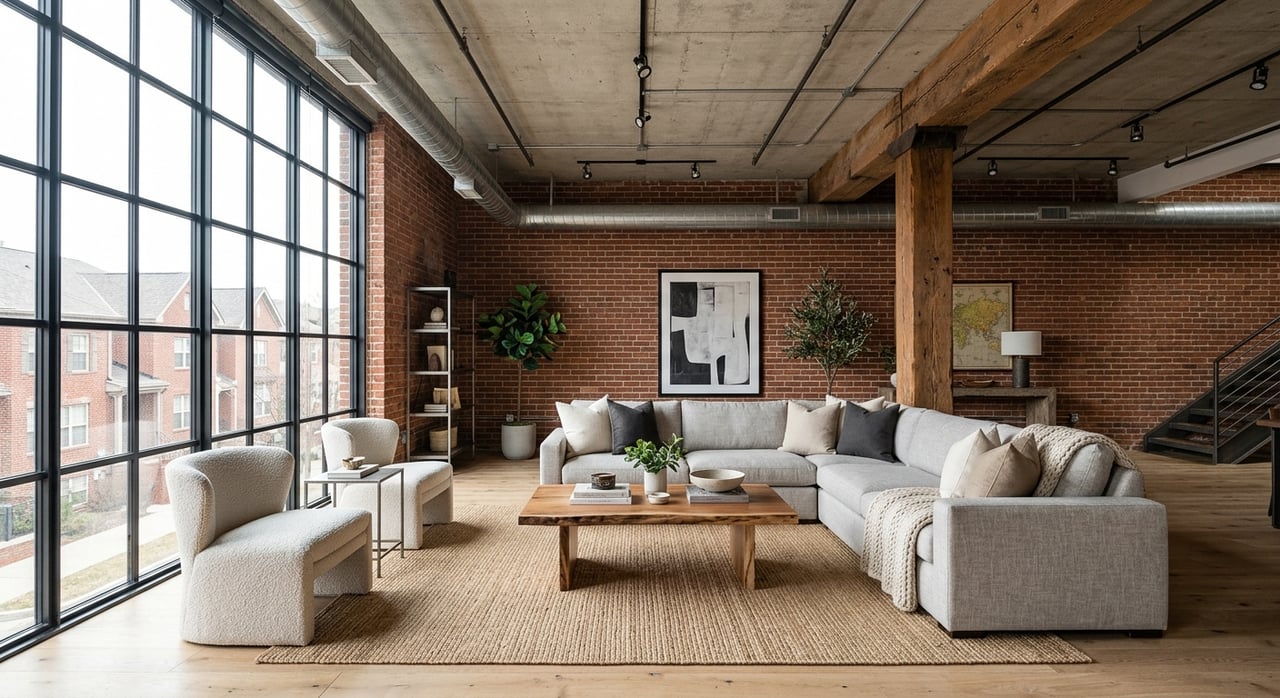
For condos, duplexes, and townhomes, focus on the living area, kitchen, primary bedroom, and any office nook or flexible bonus space. West Town has many smaller and attached homes, so buyers often respond well to layouts that feel purposeful rather than crowded.
Use furniture that fits the scale of the room. Show where a dining table goes, how a living area can seat guests comfortably, and how a desk or reading corner can function without making the home feel tight. If you work from home, it can also help to present a clear workspace since CMAP data shows that 31.0% of workers in West Town work from home.
Single-family homes
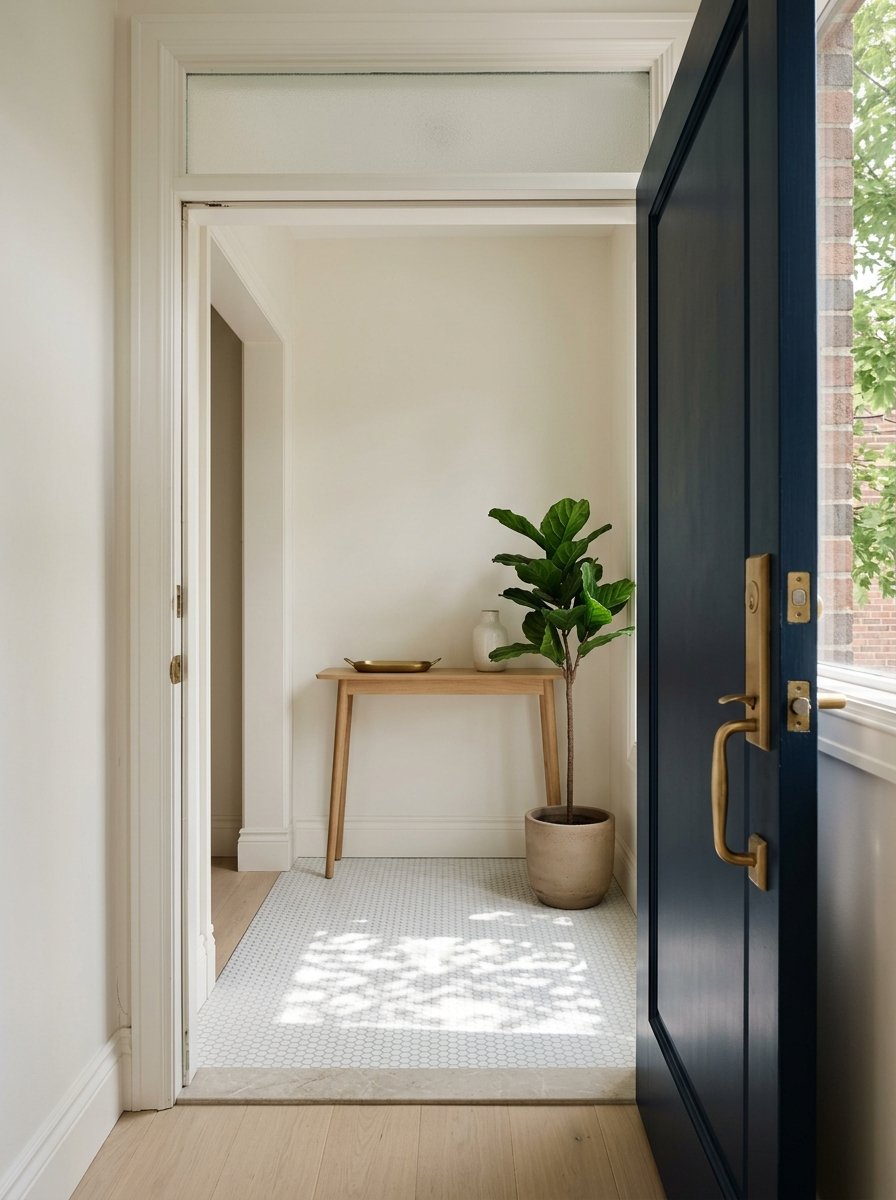
If you are selling a detached home, expand the staging plan to include the entry, outdoor space, basement, and any bonus rooms. Detached homes make up a smaller share of West Town’s housing stock, so buyers may look closely at features that feel harder to find locally.
That means showing how extra space adds value. A finished lower level, mudroom area, garage organization, or usable patio can strengthen the story your listing tells. Buyers want to see not just square footage, but how the home supports everyday life.
Keep the look neutral and edited
One of the biggest staging mistakes is making the home feel too personal. The same NAR staging report notes that decor aligned with buyer taste can help value perception, while decor that clashes with buyer taste can hurt it.
That is why a neutral, refined look usually works best. Think clean surfaces, lighter visual weight, simple artwork, and furniture that defines each room without overwhelming it. In West Town, a polished, modern look often complements both classic masonry buildings and newer interiors.
Before photography or showings, prioritize:
- Decluttering shelves, counters, and entry areas
- Removing excess furniture to improve flow
- Cleaning windows, walls, carpets, and lighting
- Refreshing bedding and towels
- Hiding cords, pet items, and personal photos
The NAR consumer guide to marketing your home specifically highlights cleaning, decluttering, and curb appeal as meaningful pre-listing steps.
Great marketing starts with great photos
Most buyers meet your home online before they ever step inside. In the 2025 Home Buyers and Sellers Generational Trends report, 83% of buyers using the internet said photos were a very useful website feature. That made photography the top online feature buyers valued.
In West Town, that online-first reality is even more relevant. CMAP reports that 96.3% of households have internet access and 94.0% have broadband subscriptions. Your listing photos are not a small detail. They are often the first screening tool buyers use to decide whether your home makes the short list.
Strong listing photography should include:
- Bright, professional still photos
- Exterior images that capture the home from the street
- Wide-angle shots that show layout and flow
- Detail shots used sparingly to highlight finishes
- Images that match the true scale and function of each room
Just as important, the written listing should match what buyers see. If a room is shown as an office, workout space, or guest room, your marketing should describe it clearly and honestly.
Add floor plans and virtual assets
Photos are essential, but they are not the only digital tools that matter. In the same NAR buyer trends report, 57% of buyers said floor plans were very useful, 41% said the same about virtual tours, and 29% valued videos.
That is especially helpful in West Town, where room dimensions, multi-level layouts, and flexible spaces can be harder to understand from photos alone. A floor plan can quickly answer questions about flow. A short video or virtual tour can help a buyer decide whether to book a private showing.
If you want your home to stand out online, a strong digital package may include:
- Professional photography
- A floor plan
- A short video or 3D tour
- Clear room-by-room marketing remarks
- Exterior and curb appeal imagery
These tools help buyers narrow down which homes to see in person. According to the same NAR report, buyers who expected to search both virtually and in person anticipated viewing a median of 20 homes virtually and 8 in person.
Do not overlook curb appeal
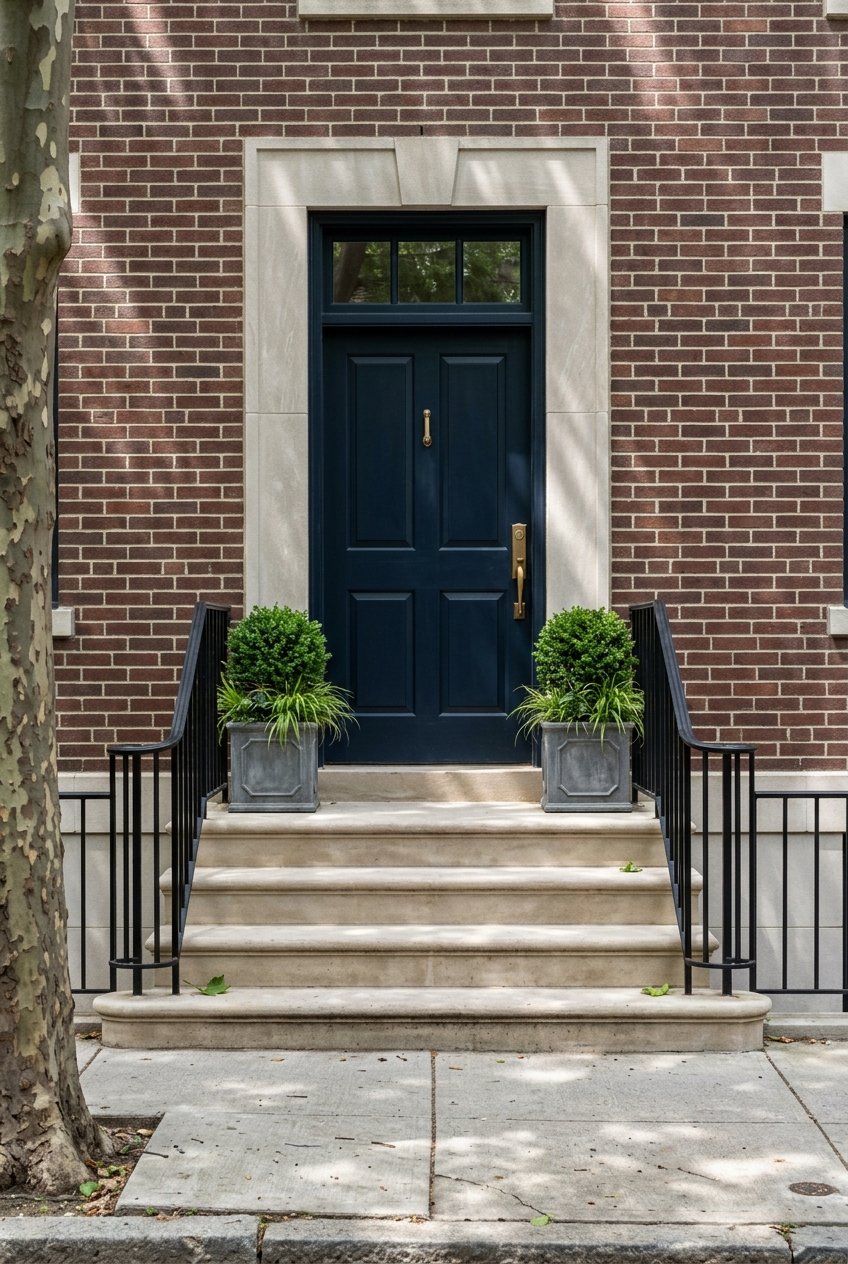
In an urban neighborhood, curb appeal still matters. The NAR consumer guide defines curb appeal as your home’s appearance from the street, and it can shape the tone for both photos and showings.
That might mean fresh paint on the front door, tidier planters, cleaner steps, or touch-ups to railings and trim. For condos and multi-unit buildings, shared exterior conditions may be outside your control, but your private entrance, balcony, or front-facing windows can still influence first impressions.
Think about the buyer’s first few seconds. If the home looks well cared for from the outside, buyers are more likely to expect the same inside.
Launch with a coordinated plan
A standout sale usually comes from more than one marketing tool working together. The NAR consumer guide notes that marketing may include staging, professional photography, social media, signage, open houses, and competitive pricing. It also explains that listing on the MLS typically provides the broadest exposure.
That is why launch timing matters. Instead of posting a home before it is truly ready, it often makes more sense to prepare the property, complete the visual assets, and then go live with a unified plan.
A smart launch can include:
- Final cleaning and staging
- Professional photography and floor plan creation
- MLS activation with complete listing details
- Social media promotion
- Signage and private showings
- An open house during the first weekend, when appropriate
The NAR guide notes that the first open house the weekend after a home hits the market can help maximize exposure, while timing should still account for competing events that may affect turnout.
Staging does not have to be all or nothing
Many sellers assume staging must be expensive to be effective. In reality, the NAR 2025 staging profile found a median spend of $1,500 when sellers used a staging service, compared with $500 when the seller’s agent personally staged the home.
That range tells you something useful: thoughtful staging can be selective. You may not need to furnish every room from scratch. Often, the best results come from editing what is already there, supplementing a few key pieces, and focusing effort where buyers pay the most attention.
In West Town, that often means putting the budget toward the living room, primary bedroom, kitchen, dining area, and any flex space that helps define how the home lives. A focused strategy can go a long way.
The goal is a stronger story
At its best, staging and marketing do more than make your home look pretty. They create a clear story buyers can understand quickly. In a neighborhood like West Town, where buyers may compare many properties online before choosing which ones to tour, that story needs to feel immediate, consistent, and well executed.
When your home is cleaned, edited, photographed professionally, and launched with intention, buyers can focus on the home itself instead of distractions. That can support stronger interest, more confidence during showings, and a better overall sales experience.
If you are thinking about selling in West Town and want a tailored plan for staging, presentation, and launch strategy, connect with Lucyna Wrucha-Jenk for a polished, hands-on approach built around your home and your market.
FAQs
Which rooms should you stage first when selling a West Town home?
- Start with the living room, primary bedroom, kitchen, and dining area, since NAR research identifies these as the spaces that most influence buyer perception.
How important are listing photos for a West Town home sale?
- Very important. NAR reports that 83% of buyers using the internet found photos to be a very useful website feature, making them one of the most important parts of your listing.
Is a virtual tour worth it for a West Town listing?
- Yes. NAR buyer research shows strong interest in virtual tours, videos, and floor plans, which can help buyers understand the layout before booking a showing.
Does home staging in West Town need to be expensive?
- No. NAR data shows staging costs vary, and many sellers get strong results by focusing on the most visible rooms rather than fully staging every space.
Why does staging matter in a West Town condo or townhome?
- Because many West Town homes have compact or attached layouts, staging helps buyers understand room function, flow, storage, and work-from-home potential more easily.