Thinking about buying in Ukrainian Village and want a home that can do more than one job? A two-flat can offer a rare mix of personal space, income potential, and long-term flexibility in one of Chicago’s most architecturally distinctive neighborhoods. If you are weighing lifestyle, budget, and future resale all at once, this guide will help you understand what to look for and how to plan with confidence. Let’s dive in.
Why a two-flat stands out
In Ukrainian Village, a two-flat fits the neighborhood’s historic housing pattern unusually well. The City of Chicago describes the local landmark district as an excellent cross-section of worker cottages, two- and three-flats, and other residential building types. That makes this property type feel like a natural part of the streetscape rather than an outlier.
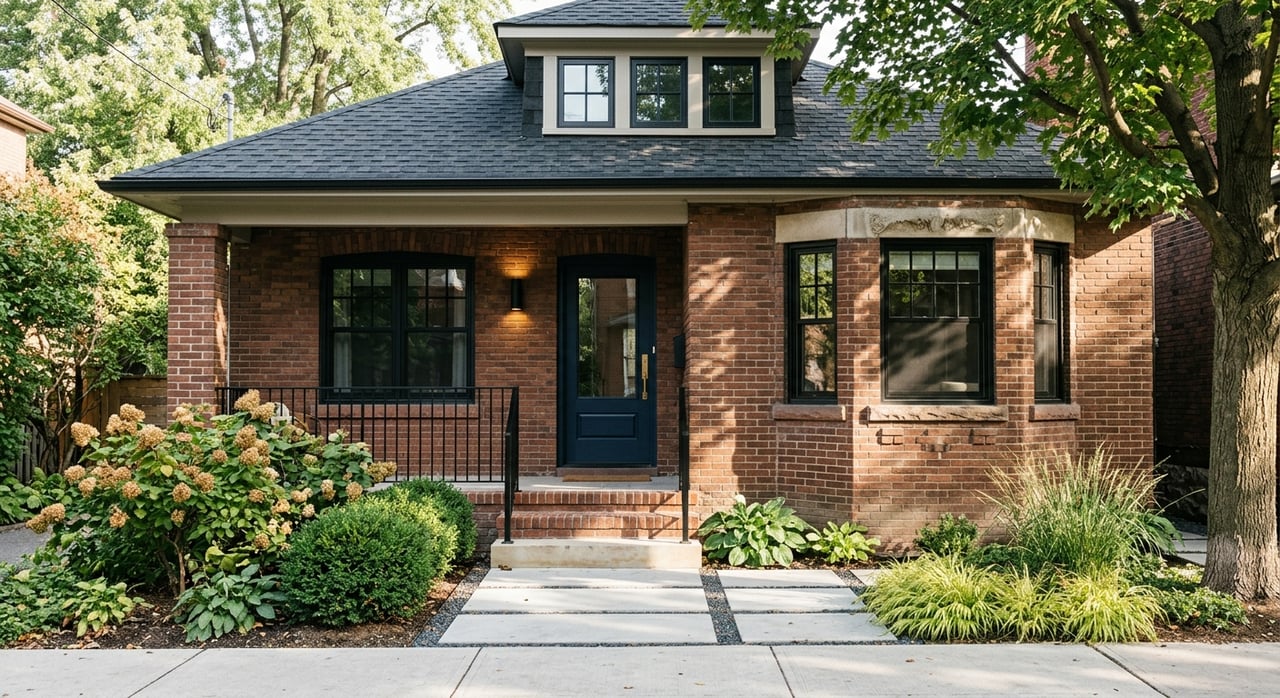
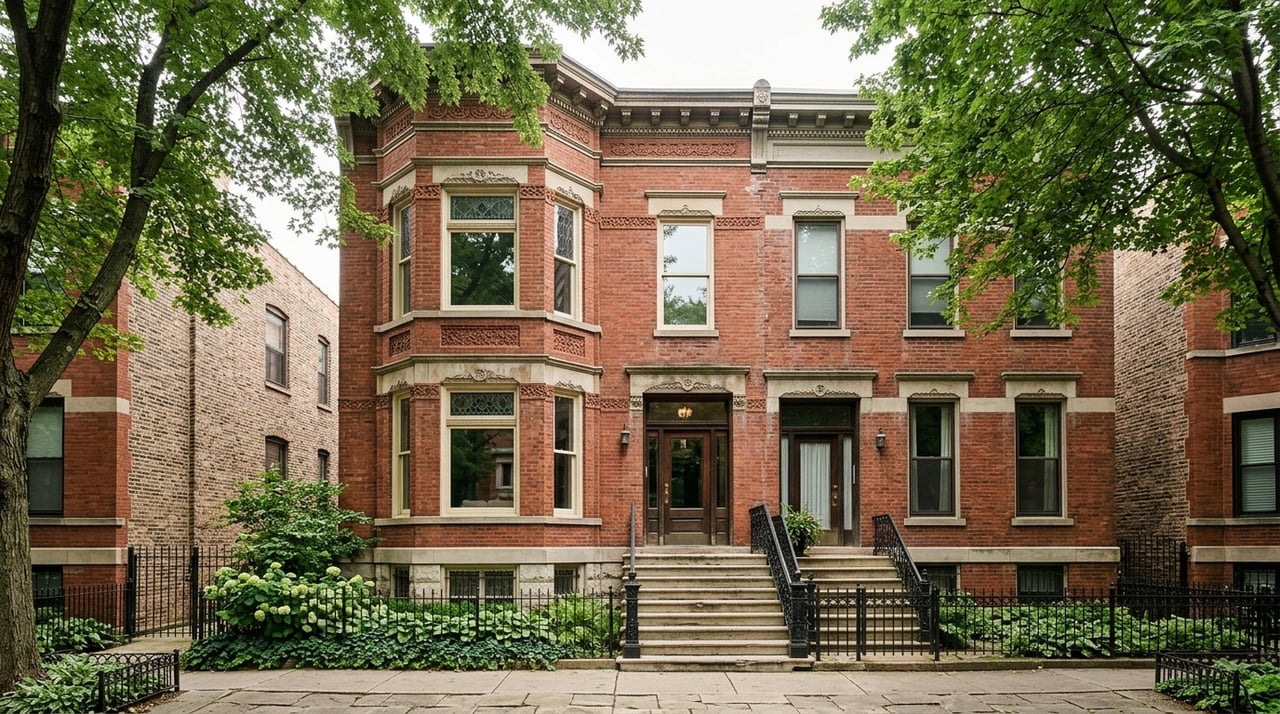
Chicago’s classic two-flat is typically a two-story building with one apartment per floor. Many are brick or greystone and may include bay windows, a side entry porch, and narrow gangways. According to the Chicago Architecture Center, two- and three-flats make up about a quarter of the city’s housing stock, and many were built between about 1900 and 1918 or 1920.
That history matters because these homes were often designed to support both homeownership and rental income. For you, that can translate into flexible living in a very practical sense. You might live in one unit and lease the other, use the second unit for long-term household planning, or hold the property as a longer-term investment.
Flexible living in real terms
A two-flat can support more than one goal at once. You are not just buying square footage. You are buying options.
For many buyers, the most appealing setup is owner-occupancy in one unit and rental income from the other. That arrangement can help offset monthly ownership costs while still giving you the feel of owning a full building rather than a single condo unit.
You may also value the extra privacy and control that comes with owning the whole structure. Unlike a condo, a two-flat does not come with shared exterior ownership, HOA dues, or project-level condo underwriting concerns. That difference can be especially meaningful if you want more say over upkeep, design choices, and long-term planning.
Ukrainian Village landmark factors
Before you fall in love with renovation ideas, confirm whether the property sits inside the Ukrainian Village Chicago Landmark District. The district was designated in 2002 and is roughly bounded by Haddon, Damen, Rice, and Western. Because district boundaries matter, you should verify the exact address before making plans for exterior work.
If the building is within the landmark district, visible exterior features may be subject to review. The City of Chicago says the significant features are typically the exterior elevations visible from the public right-of-way. In simple terms, what can be seen from the street often matters most.
This does not mean you cannot improve the property. It means you should plan carefully, especially if your vision includes windows, doors, roofing changes, porches, decks, masonry work, skylights, or larger additions. The city also encourages pre-permit submissions, which can help clarify requirements before you file for permits.
What to inspect closely
Because many Ukrainian Village two-flats are older, condition and documentation matter as much as layout and location. A beautiful facade can hide expensive deferred maintenance. Going in with a clear checklist can protect both your budget and your timeline.
Start with the basics that most often affect vintage buildings:
- Legal unit count
- Prior permits
- Roof age
- Masonry and tuckpointing condition
- Window condition
- Porch and deck condition
- Heating and cooling systems
- Electrical updates
- Plumbing updates
- Basement moisture or drainage issues
These are practical checkpoints based on the age of the housing stock and the city’s permit review categories. Even if the interiors look stylish and updated, you still want to know how the building performs behind the walls and above the ceiling.
Renovation plans need extra homework
If you are buying a two-flat with plans to reshape the space, verify what is possible before you close. In Chicago, zoning must be checked parcel by parcel. The city specifically notes that zoning designations are too specific to evaluate effectively at a broad neighborhood level.
That means you should not assume a neighboring building tells you what your building can do. If you want to reconfigure units, add another dwelling unit, or make a more ambitious change, the exact parcel matters.
For landmark properties or buildings within a landmark district, timing matters too. Exterior work that is visible from the public way may require additional review. Early planning can save you from costly redesigns later.
Two-flat versus condo
Many buyers in this area weigh a two-flat against a condo, especially if they want a home in a walkable, design-forward neighborhood. The right answer depends on how much control, responsibility, and financial flexibility you want.
Here is the core tradeoff:
| Option | Main Advantages | Main Considerations |
|---|---|---|
| Two-flat | More control, potential rental income, owner-occupant financing advantages | More repair responsibility, more budgeting discipline needed |
| Condo | Lower day-to-day exterior maintenance, shared building responsibilities | HOA dues, project-level lending review, less control over common elements |
With a condo, you own one unit within a larger project and share ownership of exterior areas and common spaces. HOA fees typically help fund repairs, insurance, and reserves. Fannie Mae also notes that condo financing involves project-level review, including the project’s financial stability, condition, insurance, reserves, litigation, and legal documents.
With a two-flat, the equation is more direct. You are taking on more responsibility, but you may also gain income potential and greater control over the property’s future.
Financing advantages buyers often like
One of the biggest reasons buyers consider a two-flat is financing flexibility for owner-occupants. HUD says FHA down payments can be as low as 3.5% on one- to four-unit properties. That can open the door for buyers who want a multi-unit property without needing a very large down payment.
There is also an income side to the equation. Fannie Mae allows rental income from a two- to four-unit principal residence to be used in qualifying when the borrower occupies one unit and the income is properly documented. For these properties, rental-income documentation commonly uses the Small Residential Income Property Appraisal Report, also known as Form 1025, along with lease documentation when applicable.
That feature can make a two-flat feel very different from a condo purchase. If you plan to lease one unit, the property may support your budget in a way a single-unit home usually cannot.
Budget beyond the mortgage
It is smart to run your numbers with more than the monthly loan payment in mind. Fannie Mae says closing costs commonly run about 2% to 5% of the purchase price. Your monthly housing costs should also include property taxes and insurance, not just principal and interest.
In Cook County, the homeowner exemption is the most common property tax exemption and saves the typical homeowner about $950 per year. Illinois also offers a property tax credit equal to 5% of Illinois property tax paid on a principal residence. For a multi-unit property, that can apply only if your principal residence is one of the units.
If you are planning a larger rehab, local tax treatment may matter too. Cook County says its Home Improvement Exemption applies to eligible owner-occupied class 2 residences and can shield up to $75,000 of added value from taxation for up to four years. The county also classifies multi-family residential buildings with no more than six units as class 2 residential property.
What supports future resale
A well-bought two-flat can be attractive not only for how you live in it now, but also for how it may perform when you sell. In Ukrainian Village, landmark status is part of that story. The City of Chicago says landmark status can enhance prestige, increase property value, and help stabilize a neighborhood.
At the same time, future buyers will likely care about the same things you should care about now. Clear legal use history, documented rent history, updated major systems, and a permit-clean renovation record can all strengthen the resale profile. Those details matter to both buyers and lenders.
There is also a supply factor worth noting. The Chicago Architecture Center points out that developers are no longer building two-flats. In a neighborhood where classic housing stock shapes the identity of the area, a well-maintained two-flat with flexibility for both owner-occupants and investors can stand out.
Smart questions to ask before you buy
As you tour properties, keep your decision anchored to both lifestyle and building fundamentals. A two-flat can be a beautiful long-term move, but only if the details support your plan.
Ask questions like these:
- Is the address inside the landmark district?
- Are there records for past permits and completed work?
- Is the unit count legal and clearly documented?
- What major systems have been updated, and when?
- Is there current or past rental history for the other unit?
- Does the layout support your plan for owner-occupancy and leasing?
- If you want changes, what do zoning and landmark rules allow for this parcel?
The right property is not just charming. It is workable, documentable, and aligned with the way you want to live.
If you are considering a Ukrainian Village two-flat, the most valuable approach is to balance design appeal with due diligence. The best opportunities are often the ones where the architecture, numbers, and future flexibility all make sense together. If you want a thoughtful second opinion on a specific building, neighborhood fit, or off-market possibilities, connect with Lucyna Wrucha-Jenk.
FAQs
What is a two-flat in Ukrainian Village?
- A two-flat is typically a two-story residential building with one apartment per floor, often built in brick or greystone and commonly found in older Chicago neighborhoods like Ukrainian Village.
What does landmark district status mean for a Ukrainian Village property?
- If a property is inside the Ukrainian Village Chicago Landmark District, exterior features visible from the public right-of-way may be subject to city review before certain changes are approved.
Can you use rental income to qualify for a Ukrainian Village two-flat?
- Yes, Fannie Mae allows rental income from a two- to four-unit principal residence to be used in qualifying when you occupy one unit and the income is properly documented.
How is buying a two-flat different from buying a condo in Chicago?
- A two-flat typically offers more control and possible rental income, while a condo usually involves HOA fees, shared exterior ownership, and project-level lending review.
What should you inspect in an older Ukrainian Village two-flat?
- Focus on the legal unit count, permit history, roof, masonry, windows, porches, heating and cooling systems, electrical, plumbing, and any signs of basement moisture or drainage issues.
What property tax benefits may apply to an owner-occupied two-flat in Cook County?
- An owner-occupant may benefit from the Cook County homeowner exemption, and Illinois may allow a 5% property tax credit on a principal residence if one of the units is your primary home.