Love the warmth of exposed brick and timber, but also crave an on-site gym and a quiet night’s sleep? In River North, you can choose between authentic warehouse lofts and modern condominium towers, often on the same block. Both offer strong lifestyle appeal, yet they live very differently day to day. This guide breaks down the real differences you will feel in space, sound, amenities, rules, and resale so you can buy with confidence. Let’s dive in.
River North at a glance
Once a hub for industry and commerce, River North transformed into a center for art, dining, and residential living. Historic warehouses became coveted lofts, while sleek glass-and-steel towers added luxury condos with full amenities. The result is a neighborhood where you can pick a home that matches your design taste and daily routine within a short walk of each other. That variety is a strength if you know what to look for.
What defines a true loft
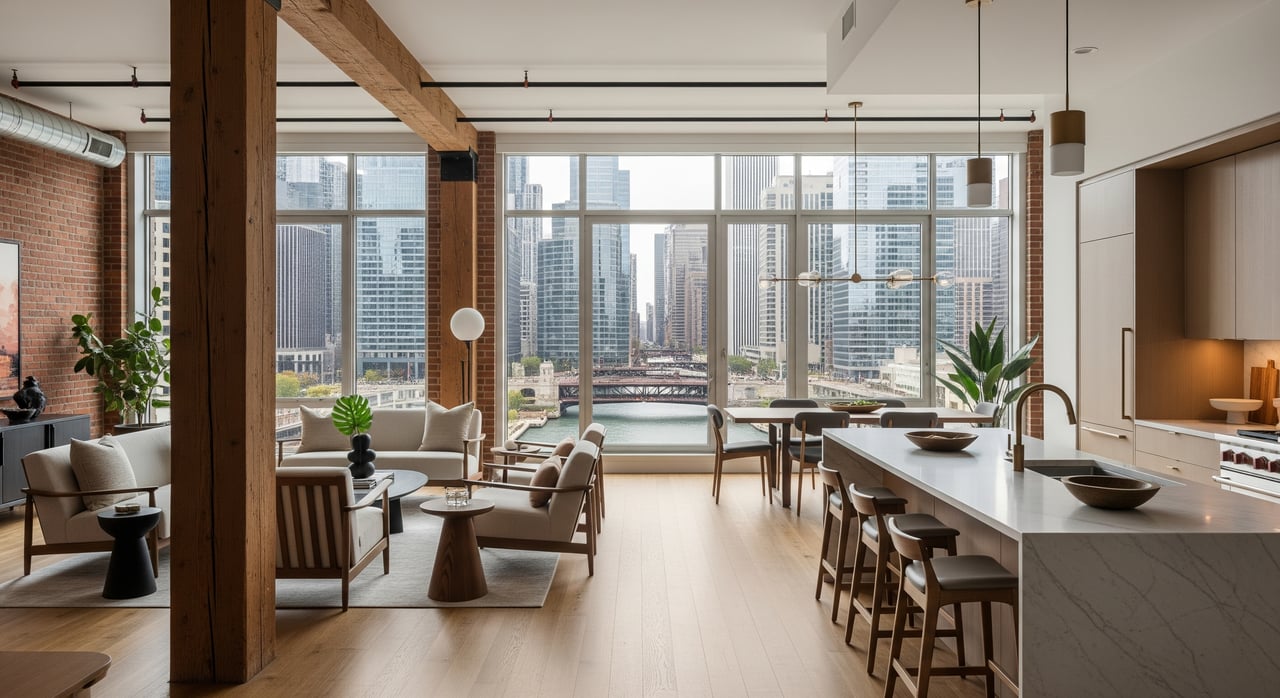
True River North lofts come from converted warehouses, often with heavy timber posts and beams, brick walls, and large industrial windows. Ceiling heights typically run 12 to 20 feet, creating volume and dramatic daylight. Floor plans are open, which feels flexible and creative, but they may need custom solutions for storage and bedroom privacy. Original windows may have been replaced during conversion, yet older steel sash can be less efficient than newer units.
What defines a modern condo
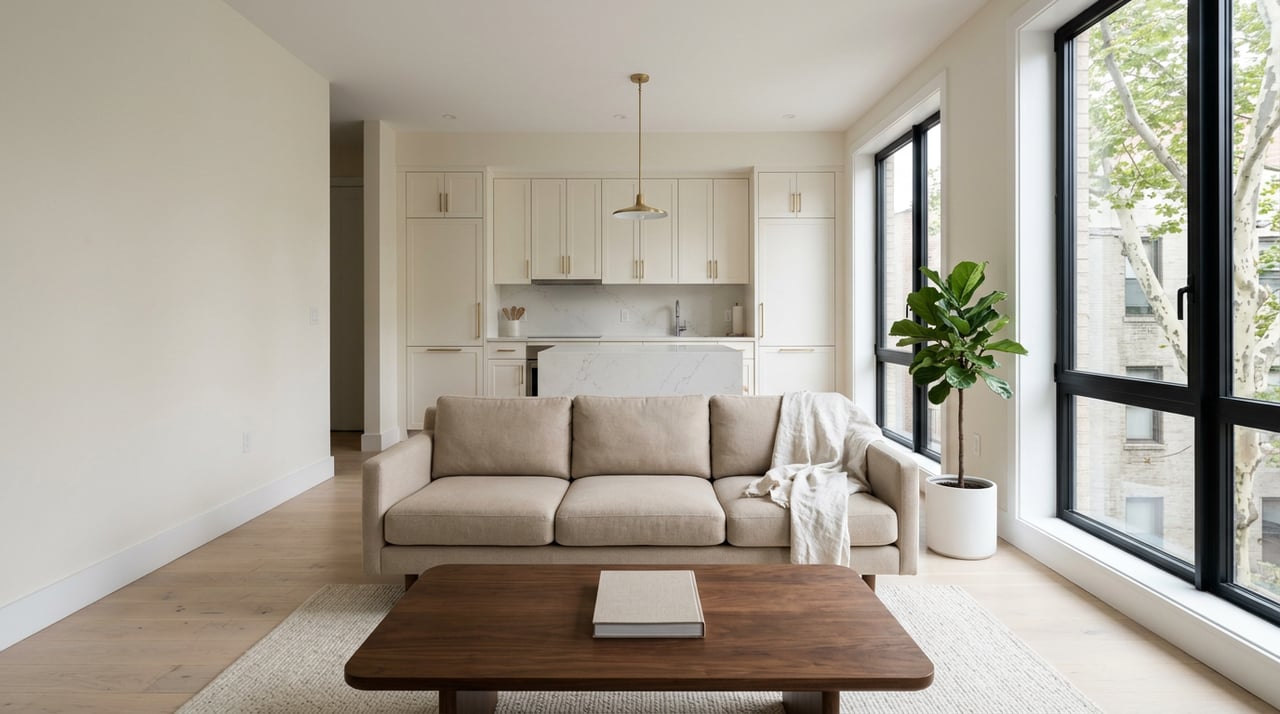
Modern condos are purpose-built residences with concrete or steel structures and defined rooms. Typical ceiling heights range from 8 to 10 feet, with select luxury tiers offering higher ceilings. You get enclosed bedrooms, built-in closets, and layouts that make furniture placement straightforward. Thermal performance and insulation are usually stronger in recent construction, which can support comfort and energy savings.
Space, light, and layout differences
- Lofts feel expansive and airy, with tall ceilings and big windows that pull in daylight. You may trade some storage or wall space for openness.
- Condos offer structured rooms and closets that simplify everyday living and storage planning.
- If you enjoy custom design, a loft is a great canvas. If you prefer turnkey function, a condo often wins.
Noise, privacy, and building systems
Concrete slabs common in many condo towers reduce footfall and neighbor-to-neighbor noise when designed well. Heavy timber floors in older loft conversions can carry impact and airborne sound unless upgraded. Open plans in lofts also mean fewer internal sound barriers and less privacy from entry to living areas. For background on sound control in buildings, review guidance from the National Institute of Building Sciences.
Elevator count and shaft isolation can vary in older conversions, and plumbing stacks retrofitted through open plans may be more audible. Modern buildings often have centralized HVAC designed with residential acoustics in mind. If silence is a priority, many buyers find modern concrete condos perform better out of the box, while lofts may benefit from acoustic underlayments, wall treatments, or secondary glazing.
Amenities and lifestyle fit
Newer River North condo buildings often feature a doorman or concierge, fitness centers, pools, rooftop decks, package rooms, and garage parking. Converted loft buildings may have limited amenities due to historic constraints, though many offer rooftop space or simple fitness rooms. Consider your must-haves: if you live for a robust amenity package and services, a condo is likely the match. If you value character over extras, a loft keeps costs focused on the home itself.
HOA rules, approvals, and due diligence
“Loft” describes style, not ownership. Many lofts are condominium units governed by the Illinois Condominium Property Act. You should confirm the legal form and review the declaration, bylaws, rules, and recent board minutes before you offer. You can read the statute on the Illinois Condominium Property Act.
Association health matters. Older conversions can face masonry repointing, roof work, or window cycles that lead to special assessments. Newer condos may carry higher monthly dues to fund staffing and amenities. Check reserves, recent assessments, litigation, and what your dues cover. For property tax checks, pull current data from the Cook County Assessor.
Resale outlook in River North
Lofts speak to design-driven buyers who value authentic materials and volume. That audience is narrower but passionate, and standout lofts in prime locations can command a premium. Modern condos attract a broader pool, from first-time buyers to downsizers and investors, especially in buildings with strong amenities and management. For comps, compare like with like: timber lofts to timber lofts, and newer one-bedroom condos to similar newer condos.
Financing and insurance notes
Most loft condos are financeable, but unusual ownership types like co-ops or live/work arrangements may face tighter underwriting. If you are considering a non-standard property, talk with a lender early to confirm requirements. Insurance premiums can vary with heavy timber structures and historic fabric, so ask your insurer for a quote during diligence.
Quick side-by-side guide
- Architectural character:
- Loft: Exposed timber, brick, and industrial windows; dramatic volume.
- Condo: Clean-lined construction and defined rooms; contemporary finishes.
- Ceiling height and light:
- Loft: Often 12–20 feet with broad daylight.
- Condo: Typically 8–10 feet; higher in select tiers.
- Noise and privacy:
- Loft: More sound transfer without upgrades; open-plan privacy trade-offs.
- Condo: Concrete floors and modern assemblies usually reduce noise.
- Amenities and services:
- Loft: Limited amenity sets; lower service fees in some buildings.
- Condo: Full-service packages, higher dues in amenity-rich towers.
- Renovation needs:
- Loft: Custom closets, bedrooms, acoustic or HVAC tweaks are common.
- Condo: Turnkey layouts; fewer immediate changes.
- Resale dynamics:
- Loft: Smaller, style-driven buyer pool; standout units can shine.
- Condo: Broader buyer base; faster cycles in amenity-focused buildings.
River North buyer checklist
Use this while touring to stay focused on what matters.
- Confirm building type and legal form
- Is it a condominium, cooperative, or live/work? Any landmark or historic restrictions?
- Inspect structure and windows
- Measure ceiling height. Note timber beams, brick walls, and window type or age.
- Evaluate noise and privacy
- Ask about floor construction: timber joists or concrete slab. Visit at different times to gauge neighbor and street noise.
- Review mechanicals and comfort
- Identify HVAC type and the age of equipment. Ask for recent utility bills if available.
- Assess HOA health and rules
- Review reserves, minutes, assessments, and any litigation. Confirm policies on rentals, short-term rentals, pets, and renovations.
- Match amenities to lifestyle
- List must-haves like doorman, gym, package room, bike storage, or parking. Confirm deeded versus leased parking.
- Check taxes, insurance, and financing
- Verify property taxes with the Cook County Assessor. Get insurance quotes and a lender pre-approval if the property is non-standard.
- Plan for resale
- Consider how layout, storage, and finishes will appeal to typical downtown buyers.
- Understand renovation limits
- Ask what requires board approval. Confirm rules for windows, facade, and roof work, especially in historic buildings.
- Weigh micro-location factors
- Check street noise, nearby nightlife, access to transit and the Riverwalk, and any floodplain or water-related history.
Which one is right for you
Choose a River North loft if you prioritize character, volume, and creative layout potential, and you are comfortable fine-tuning acoustics, storage, and systems. Pick a modern condo if you want quieter floors, full-service amenities, and a move-in-ready plan with traditional bedrooms. Both options deliver an urban lifestyle steps from dining, galleries, and the river. The best fit comes down to how you want your home to feel and function day to day.
Ready to compare curated River North lofts and amenity-rich condos side by side? Let’s align your wish list, tour smart, and negotiate with clarity. For private and off-market opportunities, connect with Lucyna Wrucha-Jenk for boutique, design-aware guidance backed by the reach of Jameson Sotheby’s.
FAQs
What is a true River North loft versus a soft loft?
- A true loft is a converted industrial space with timber beams, brick walls, and large factory-style windows; soft lofts are newer condos with some loft-like finishes but conventional construction.
How do noise levels compare between lofts and condos in River North?
- Concrete floors in many condos reduce impact and airborne noise, while timber floors in older lofts can transfer sound unless upgraded with acoustic treatments.
Do River North loft buildings usually have doormen and full amenities?
- Many converted lofts have limited amenities, while modern condo towers more often offer doorman service, gyms, pools, rooftop decks, and package rooms.
What HOA rules should I review before buying a loft or condo in Chicago?
- Review the declaration, bylaws, house rules, rental policies, renovation approvals, pet policies, reserves, and recent meeting minutes under the Illinois Condominium Property Act.
How do property taxes and insurance differ for lofts and condos in Cook County?
- Taxes depend on the specific property; verify current figures with the Cook County Assessor, and get insurance quotes since heavy timber or historic elements can affect premiums.
Are financing requirements different for lofts in River North?
- Most loft condos finance like other condos, but live/work or co-op formats can require specialized underwriting, so speak with a lender early.