Looking for a Chicago neighborhood that feels like a small town without giving up city convenience? If you want tree-lined streets, local cafés, and a calm, residential rhythm, Roscoe Village may be on your shortlist. You might be weighing commute time, school options, and how far your budget will go. This guide gives you a clear picture of daily life, housing styles, transportation, and practical tips so you can decide if it fits your next move. Let’s dive in.
Where Roscoe Village sits
Roscoe Village is on Chicago’s North Side within or adjacent to the North Center community area in Cook County. It has a compact, village-like commercial strip surrounded by quiet, residential blocks. You get a small-town feel inside the city with quick access to the broader Chicago–Naperville–Arlington Heights metro area.
Neighborhood vibe
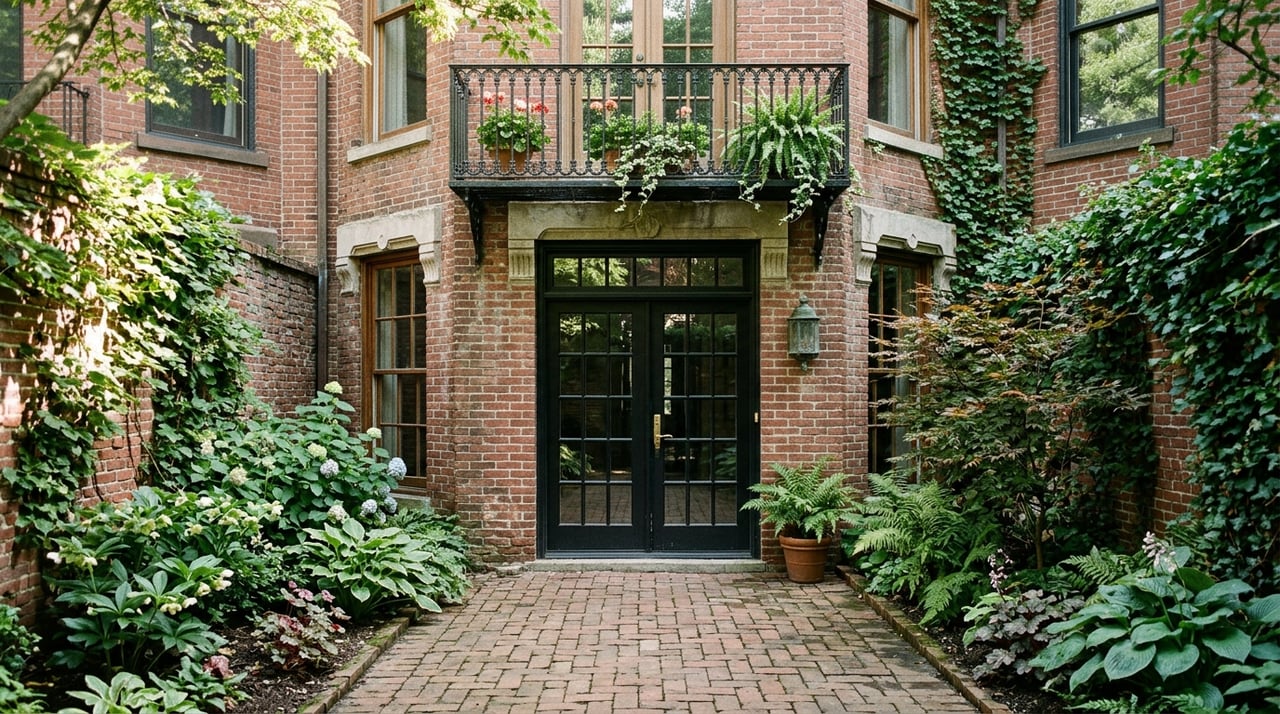
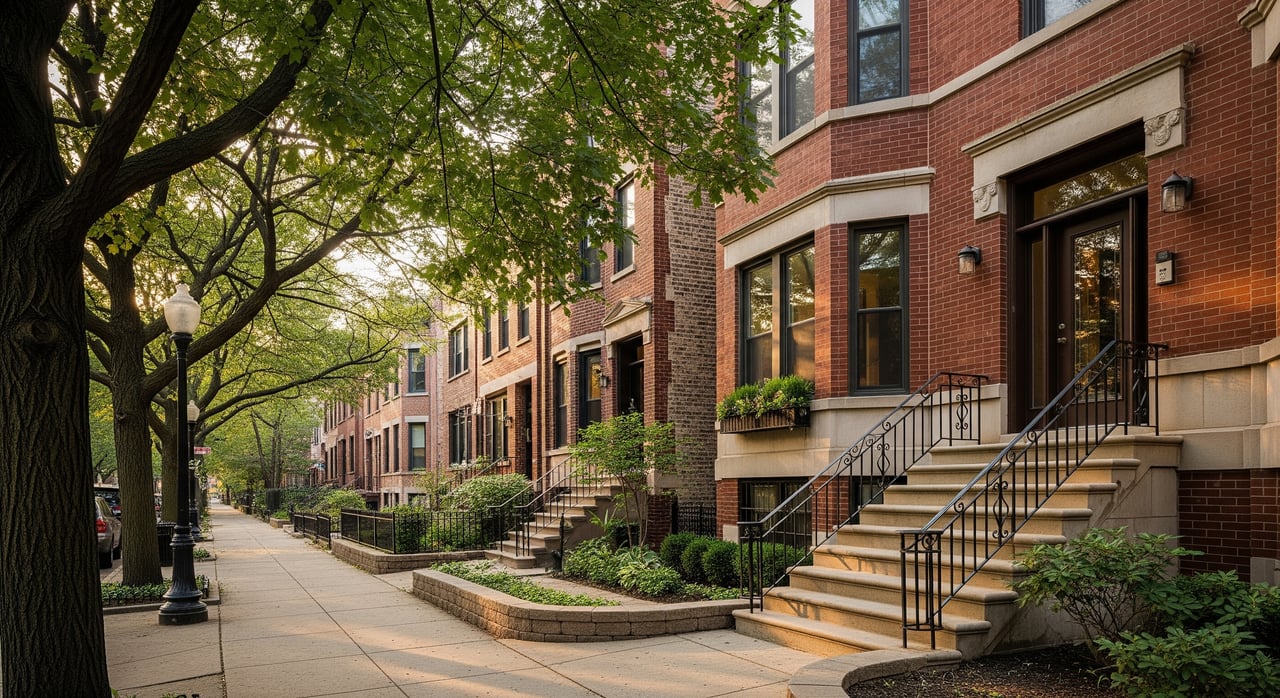
You’ll find a mix of long-term residents and newer homeowners, including many urban professionals and young families. Streets are lined with mature trees and classic Chicago architecture. Local organizations and block clubs are active, and community events pop up throughout the year. Daily life leans walkable and neighborly, with independent cafés, family-run restaurants, and boutique retail.
Housing at a glance
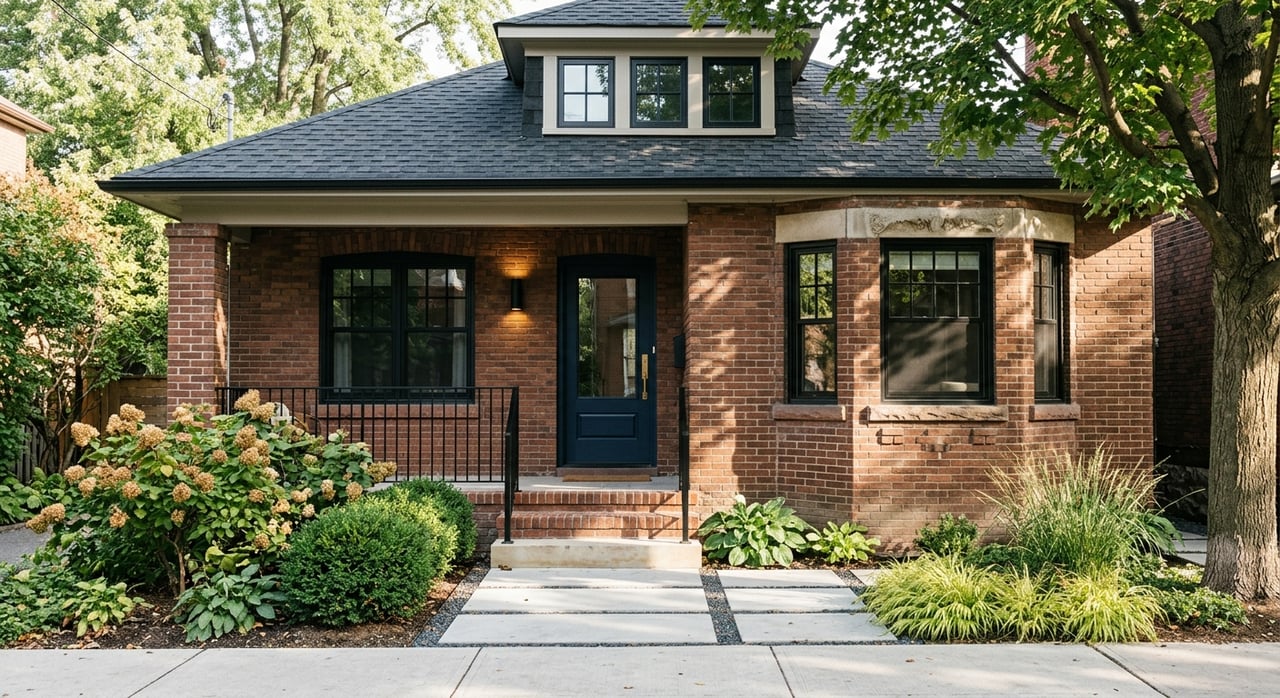
Roscoe Village offers a broad mix of homes. Older single-family houses include brick cottages and Chicago bungalow styles. You’ll also see two-flats and three-flats, townhomes, condos in converted buildings, and newer infill construction. Many homes have been renovated or expanded, and lots are the typical narrow North Side size.
Pricing is generally above the Chicago city median and competitive with nearby North Side favorites like North Center and Lake View. If you want current median prices, inventory, and days on market, review recent MLS data and Cook County records or request a local snapshot before you tour.
Common buyer profiles
- Local professionals and two-income households looking for a low-rise, residential feel.
- Condo owners upsizing into single-family homes or townhomes.
- Investors focusing on two-flats and small multi-unit buildings.
Maintenance and renovation tips
Older homes can shine with smart updates. Plan for inspections of mechanical systems, windows, roofs, and basements. If you’re considering an addition or façade work, review Chicago zoning for your lot and confirm permit requirements before you start. Renovations can add value, but a clear plan and timeline are key.
Daily life and amenities
Life here is centered on small-scale commercial corridors. You can grab coffee, brunch, and essentials from independent spots, plus everyday services like salons, dry cleaners, and small grocers. Many errands can be handled on foot, and evenings often mean a relaxed walk to dinner or a nearby playground.
For recreation, residents use nearby Chicago Park District parks, playgrounds, and fieldhouses. Cyclists can tap into on-street bike lanes and nearby multi-use routes. If walkability and daily convenience matter to you, Roscoe Village delivers a comfortable routine.
Schools and childcare
Roscoe Village is served by Chicago Public Schools, and many families also consider private and parochial schools in nearby neighborhoods. CPS boundaries can change, so verify the current assignment for your specific address. Enrollment details, school profiles, and program options are available through CPS and state education resources.
Transportation and commute
Public transit coverage includes CTA buses and access to nearby ‘L’ stations in adjacent areas. Metra commuter rail is also reachable in nearby neighborhoods for suburban commutes. By car, the drive to downtown typically ranges from about 20 to 40+ minutes, depending on time of day and traffic. Parking is a mix of free and permit on-street options, and it can be tight on some blocks. Many residents walk for daily errands and use bikes for short trips.
Safety and services
Roscoe Village is commonly perceived as a safe, residential area compared with the broader city, though you should always review multi-year crime data for context. The City of Chicago handles trash, recycling, snow removal, and street maintenance. Utilities are provided by common city vendors for gas and electric, and multiple internet and cable providers serve the area. Service options can vary by address, so confirm before you move.
Development and future trends
As with many desirable North Side neighborhoods, you’ll see infill, renovations, and occasional teardowns. This can bring refreshed housing but also more construction activity and evolving streetscapes. If you’re planning improvements, check the Chicago Zoning Ordinance for your parcel and confirm any landmark considerations that may affect exterior work. Reviewing recent building permits can help you understand what is changing on your block.
How it compares nearby
Compared with Lakeview, Lincoln Square, and North Center, Roscoe Village feels more compact and village-like. It has fewer large nightlife destinations and a stronger residential rhythm. If you want the fastest transit or the busiest entertainment corridors, a neighboring area may suit you better. If you want calm streets with small-business retail close by, Roscoe Village tends to rank high.
Is Roscoe Village right for you?
Use this quick checklist to stress-test your fit:
- You prefer single-family or townhouse living in a low-rise neighborhood.
- You value local cafés, small shops, and a walkable daily routine.
- You want access to parks and playgrounds nearby.
- Your commute range is flexible, or you mix modes like bus, ‘L’, bike, or rideshare.
- You are comfortable evaluating older homes and potential renovations.
- You understand parking dynamics and permit options.
Smart next steps
- Define your must-haves: home type, outdoor space, parking, and timeline.
- Preview the market: single-family homes, two-flats, townhomes, and larger condos.
- Run commute tests during the hours you care about most.
- Verify school boundaries for your exact address and explore program options.
- Build a budget that includes property taxes, inspection items, and any renovations.
- Ask for a micro-market brief with recent comps, trends, and buyer strategies.
When you are ready to explore on and off-market options with boutique, hands-on guidance, connect with Lucyna Wrucha-Jenk for a private consultation.
FAQs
What types of homes are in Roscoe Village and how much do they cost?
- You’ll see vintage single-family homes, two- and three-flats, townhomes, condos, and newer infill; prices are typically above the Chicago median, so request current, neighborhood-specific data before you tour.
How long is the commute from Roscoe Village to downtown Chicago?
- Driving often ranges from about 20 to 40+ minutes depending on traffic, while CTA buses and nearby ‘L’ stations provide transit options; check current routes and schedules for accuracy.
Are there parks and activities for families and dog owners?
- Yes, residents rely on nearby Chicago Park District parks, playgrounds, and community facilities; review local maps to find the closest options to your home.
Which schools serve Roscoe Village addresses?
- Chicago Public Schools serve the area and boundaries vary by address; verify your specific assignment and explore private or parochial options in nearby neighborhoods.
Is street parking difficult in Roscoe Village?
- Parking is a mix of free and permit on-street options and can be tight on some blocks; confirm current city permit policies and consider off-street solutions if it is a priority.